Apple sued OpenAI Foundation, OpenAI Group PBC, io Products and two former Apple engineers, Chang Liu and Tang Tan, on July 10 in the U.S. District Court for the Northern District of California. The complaint, Apple Inc. v. Liu, No. 5:26-cv-07078, brings claims under the federal Defend Trade Secrets Act and California’s Uniform Trade Secrets Act, alleging a scheme that ran “at every level” of OpenAI, from technical staff to its chief hardware officer.
Apple says Liu downloaded confidential files before leaving for OpenAI and coached a colleague on copying documents undetected. Tan, OpenAI’s hardware chief and a former Apple VP, allegedly emailed himself supplier data and told job candidates to bring “actual parts” from Apple to interviews.
The suit landed two months after Elon Musk lost his own fight with OpenAI. A federal jury in Musk v. Altman, before Judge Yvonne Gonzalez Rogers in the Northern District of California, found in May that Musk waited too long to sue over OpenAI’s shift from nonprofit to for-profit structure, tossing the case on statute-of-limitations grounds without reaching the merits.
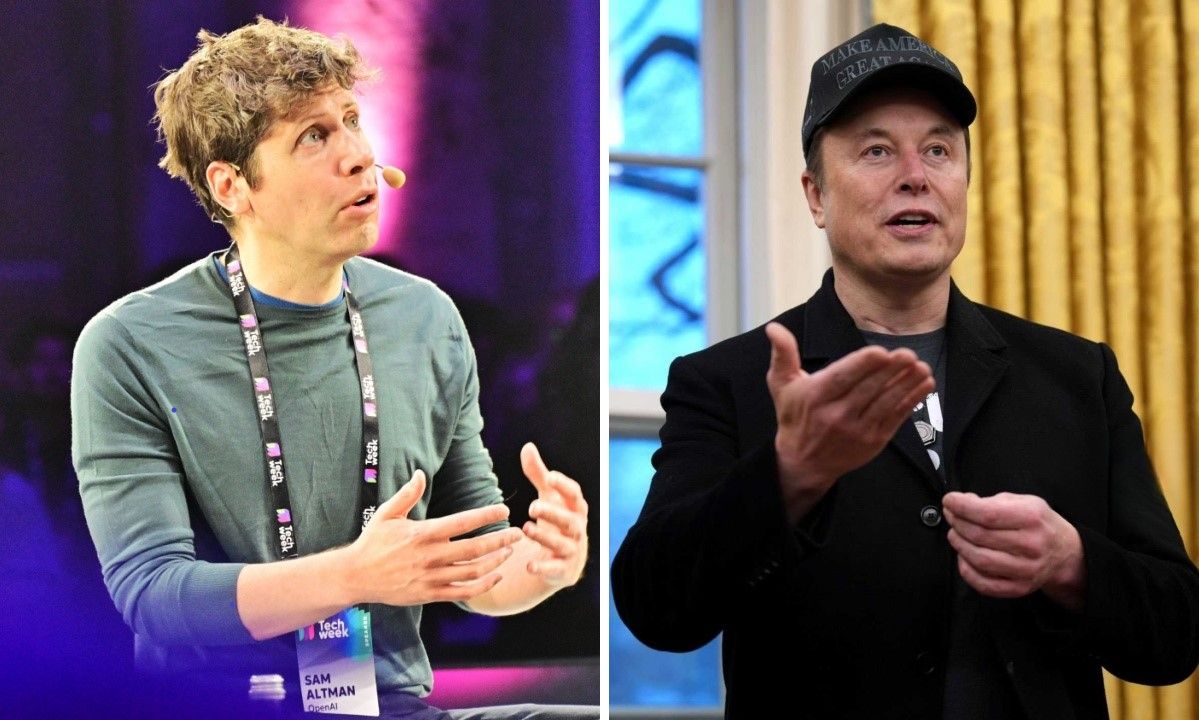
Apple’s filing gave Musk fresh ammunition anyway. He branded Altman a “scam” artist on X. Altman shot back at Musk’s satellite-datacenter pitch and needled him over a “parole officer.” Neither exchange is legal argument, but it shows how OpenAI’s courtroom exposure now doubles as social media theater, playing out in real time while its lawyers draft an answer.
OpenAI hasn’t responded to the complaint yet. Under the federal rules, its answer is due 21 days after service, putting a deadline on the Liu docket in early August.
James Okafor