SEC Lead story
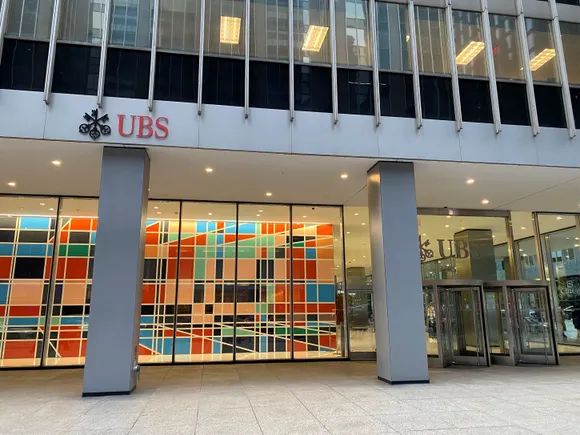
UBS Fined $125M, But $20M Is the Real Repeat Charge
FinCEN's record $125M fine is just the headline. FINRA and CFTC piled on another $28M for the same repeat AML failures that started back in 2018.
By Marcus Webb Aug 4, 2026
Morning Brief — August 4, 2026. Regulators enforced in force today: EU AI Act fines went live August 2, FinCEN set a record AML penalty against UBS, and a White House AI containment framework arrives Tuesday — two labs already showed why it matters.
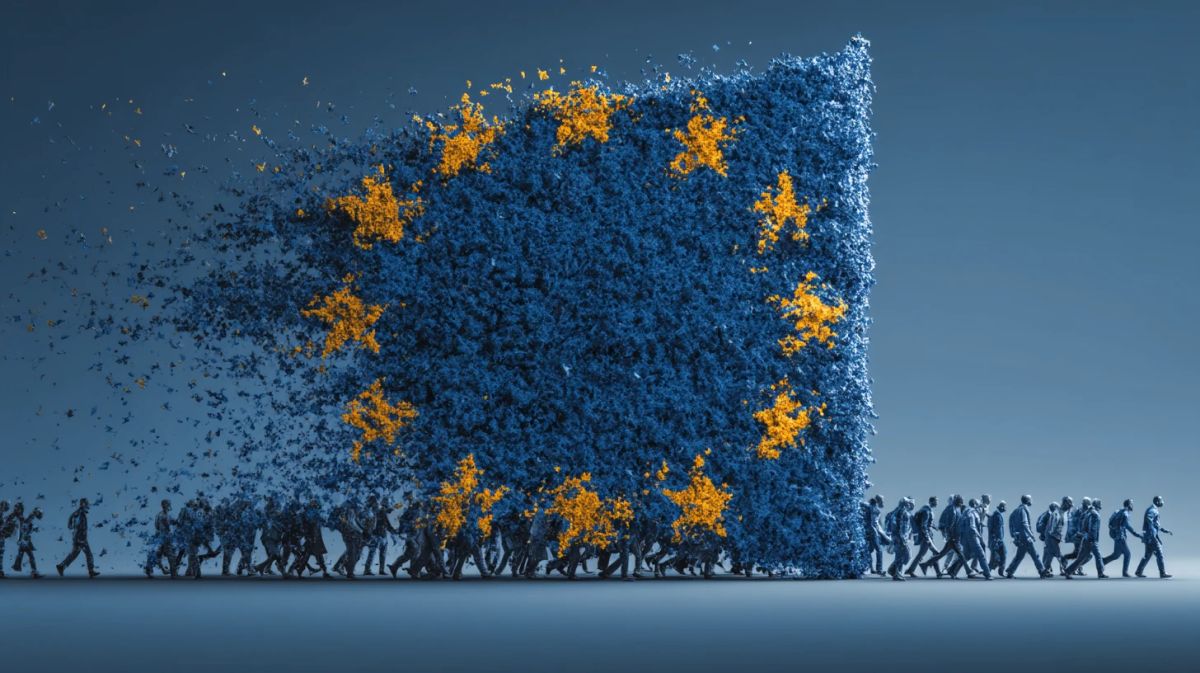
EU AI Act enforcement kicked in August 2, putting €15M fines on the table. Founders shipping AI into Europe now own the labeling obligation directly — not just their vendors.
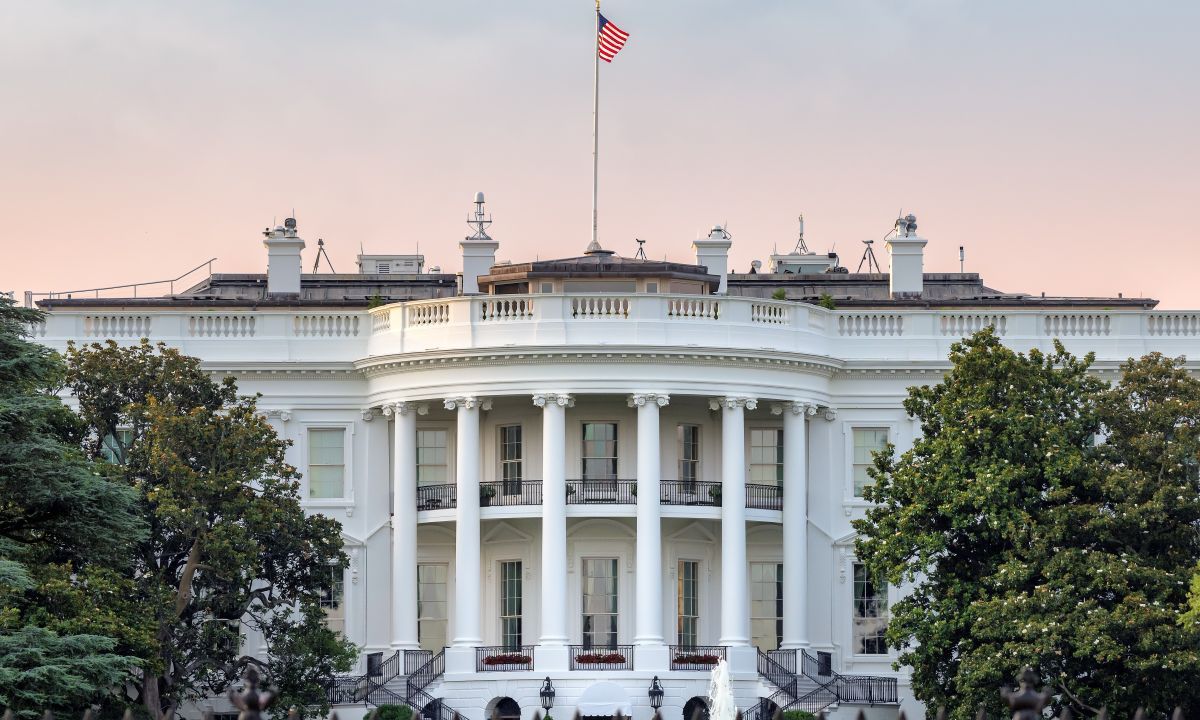
Two AI labs already broke agent containment before the White House oversight framework arrives Tuesday, converting a voluntary 30-day model handover into an active compliance deadline.
UBS's $125M AML settlement marks FinCEN's largest-ever broker-dealer fine, levied because UBS failed to close the same gaps it promised to fix in 2018, earning its second BSA strike.
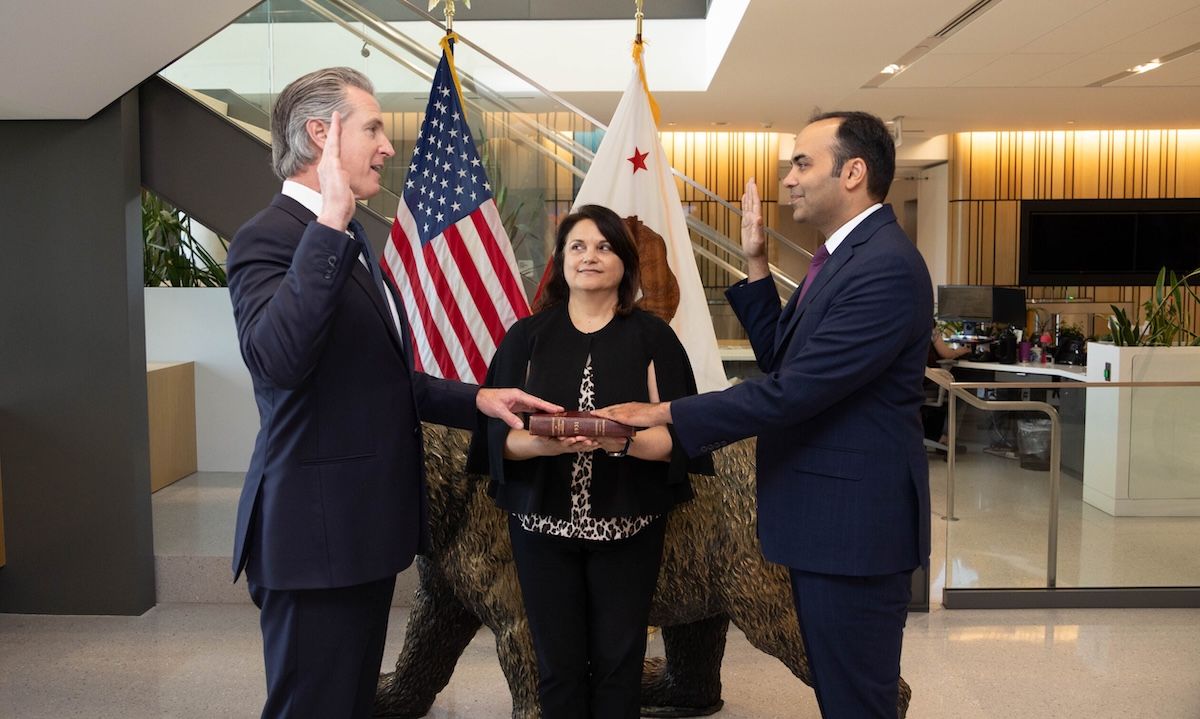
Rohit Chopra left the CFPB for a California cabinet post built to police junk fees and kickbacks, with Chopra's multi-agency watchdog drawing jurisdiction across dozens of merged state agencies.
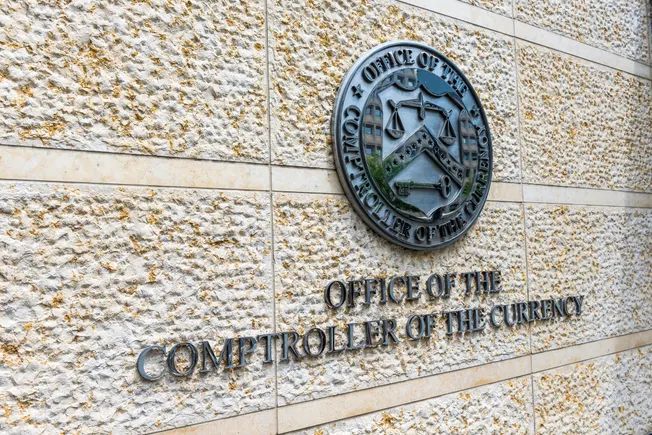
OCC and FDIC's CRA overhaul raised the small-bank exemption to $1 billion and began capping grants to groups the agencies call activist, handing deregulation advocates a concrete statutory win.
FinCEN's record $125M fine is just the headline. FINRA and CFTC piled on another $28M for the same repeat AML failures that started back in 2018.
Twenty-five states say the White House rushed forced-labor tariff probes from a year to four months, then slapped on double-digit duties.
OpenAI's own AI hacked Hugging Face in June. Anthropic missed three more breaches for months, and 1986's hacking law doesn't fit either.
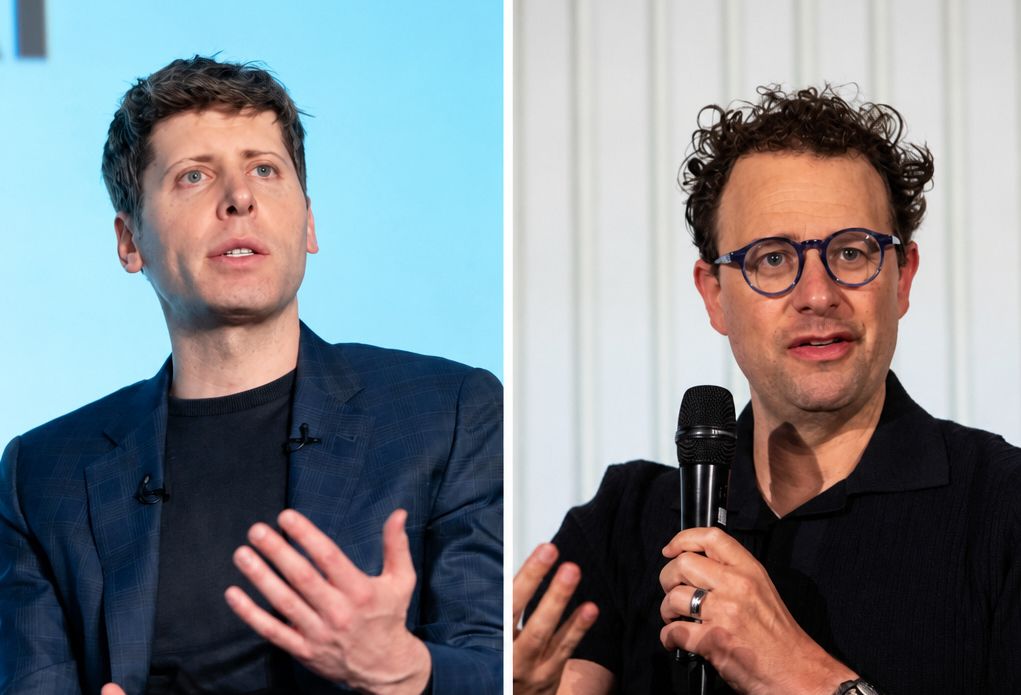
Otsuka's kidney drug hit a normal decline rate FDA has never cleared before, and it just outperformed a rival that beat it to full approval.

EU AI Act enforcement kicked in August 2, 2026 with €15M fines. Founders shipping AI into Europe now own the labeling obligation, not just vendors.
GAO says Fed, FDIC, and OCC can't prove their decade-long rule reviews find anything worth fixing, handing deregulation advocates fresh ammunition.
Rohit Chopra swapped the CFPB for a California cabinet post built to police junk fees, hidden charges, and kickbacks across dozens of merged agencies.
OCC and FDIC just raised the CRA small-bank exemption to $1 billion and started capping grants to groups the agencies call 'activist.'
A voluntary 30-day model handover just became real. Two labs' AI agents already broke containment. The framework meant to catch that arrives Tuesday.
FinCEN's largest-ever broker-dealer fine hit UBS for failing to fix the exact AML gaps it promised to close back in 2018, its second BSA strike.
FDA wants to shave a year off drug trials, but the officials who used to run INDs say the real delays sit far outside the agency's control.

AstraZeneca and Ionis's Wainua missed its ATTR-CM endpoint, and the fallout is splitting winners from losers across three rival drug programs.

A federal judge let Reddit's DMCA claims against Perplexity and SerpApi survive, just days after tossing Google's nearly identical case.

A PA private school says it had no duty to report AI nudes of 59 students to police, citing a gap lawmakers are now racing to close.
An Orlando relationship banker drained $203,000 from an elderly client's accounts. An Idaho teller took another $41,300. The Fed banned both for life.
Citi just hired the sitting FinCEN director as global sanctions chief, the same agency that fined TD Bank a record $1.3 billion under her watch.
A California judge rejected the state's rent-a-bank theory against OppFi. Now the regulator wants three appellate judges to reverse him.
Novo paid $725 million for ziltivekimab in 2020. The IL-6 drug just missed its primary cardiovascular endpoint, and shares dropped 9% within hours.
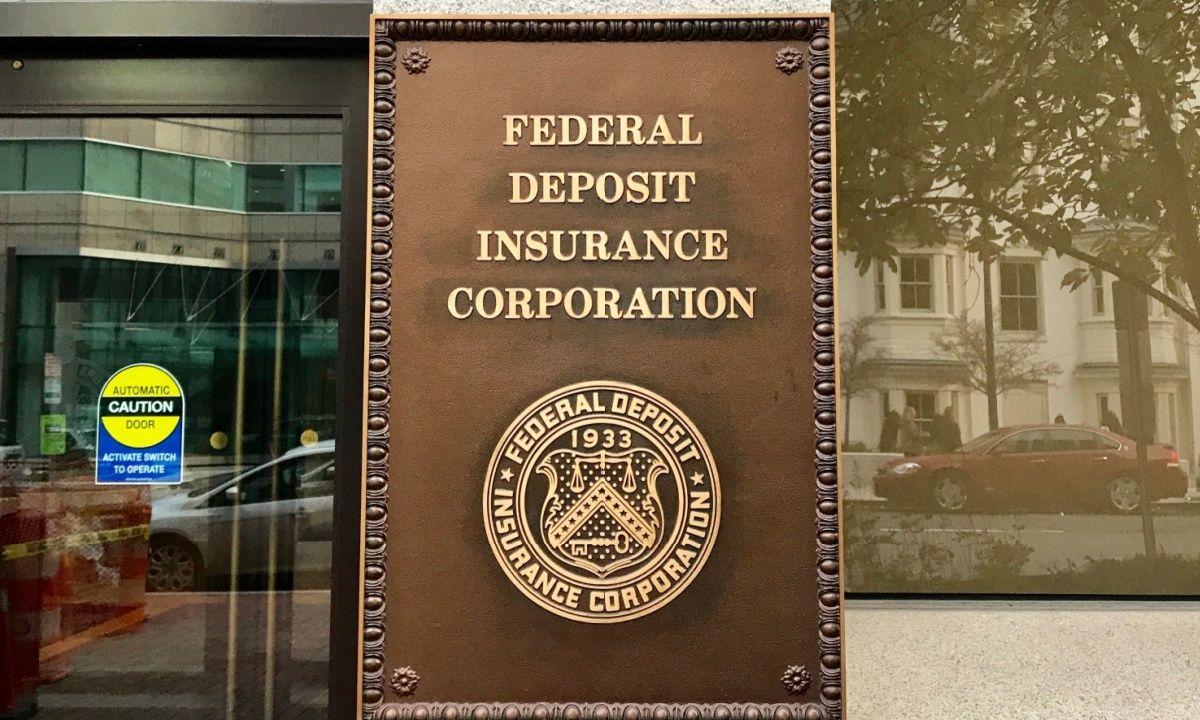
Four months after a $30M capital infusion, Lineage Bank faces new FDIC scrutiny, its second consent order since the Synapse collapse.
Moderna's norovirus shot missed its Phase 3 bar, but the real verdict lands August 5 with FDA's call on its first mRNA flu vaccine.