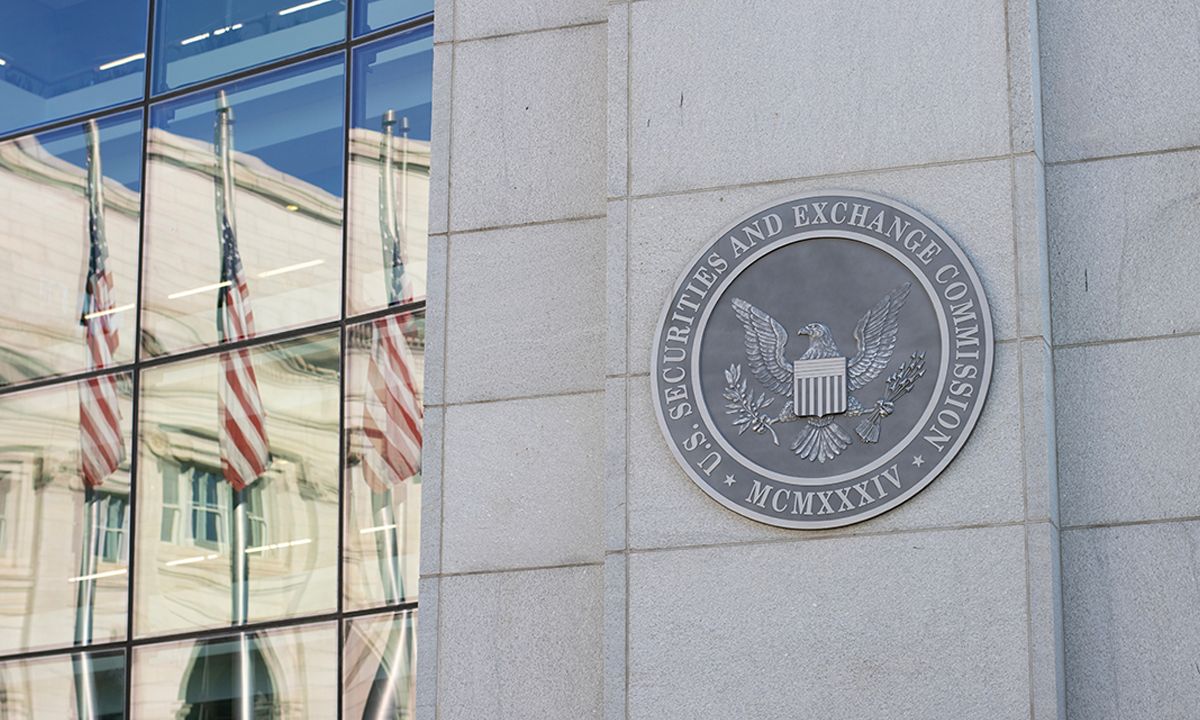
Hundreds of millions in DeFi hacks this year haven’t stopped the SEC from readying an “innovation exemption” that would route U.S. stock trading through crypto infrastructure — without issuer consent.
The exemption, reported by Bloomberg as landing as early as this week, would let any platform tokenize shares in Apple or Amazon and list them for trading without either company’s consent. SIFMA warned the SEC in November 2025 that broad categorical exemptions risk creating “parallel, but unequal trading ecosystems.” Citadel Securities raised the same flag: broad exemptions would gut KYC and anti-money laundering protections.
Brett Redfearn, president of Securitize and former director of the SEC’s Division of Trading and Markets, didn’t mince words: “If third parties can tokenize Apple or Amazon without the issuer at the table, there’s no theoretical limit on how many wrappers of the same company exist at once.” That creates price uncertainty for every investor holding any version of the token.
The issuer-consent gap is the structural hinge. Traditional securities law assumes the issuer knows where its shares trade: exchanges, clearing houses, transfer agents. Bypassing that assumption doesn’t just create new venues; it creates legal ambiguity about which wrapper is the “real” share when prices diverge across platforms.
SIFMA’s December 2025 position called for investor caps and size limits on any exemption. The SEC’s reported approach doesn’t honor that ask.
Exemption expected this week.
Marcus Webb