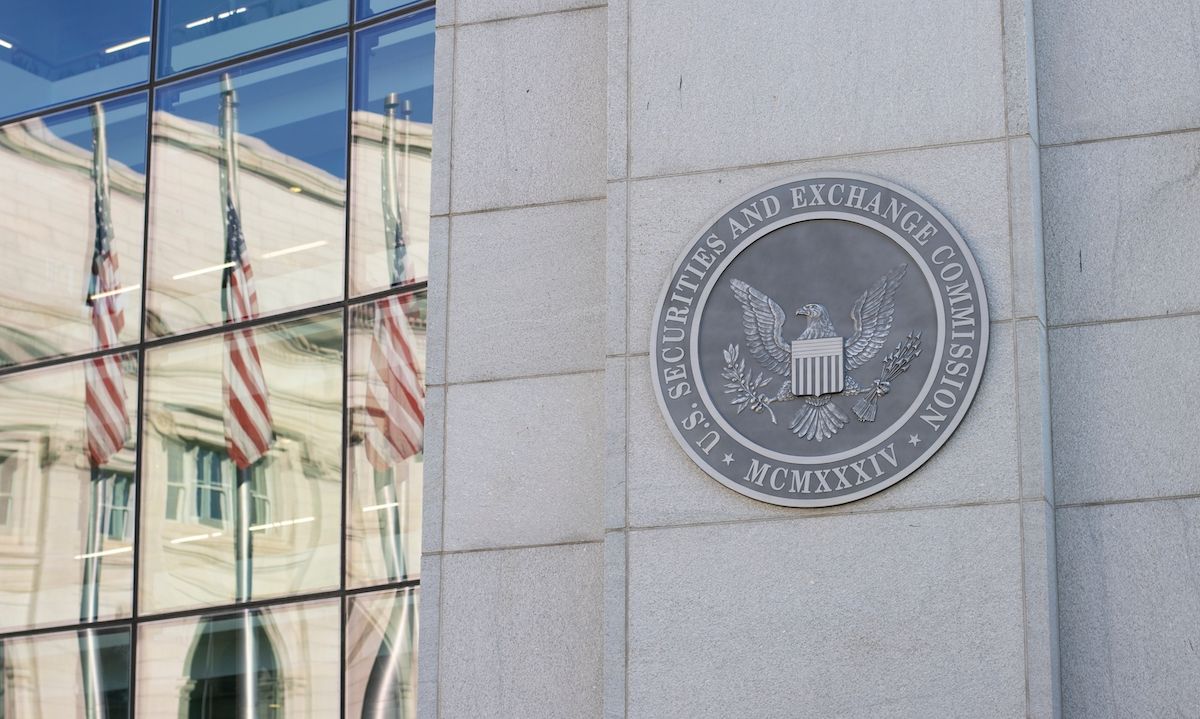
SEC
UBS Fined $125M, But $20M Is the Real Repeat Charge
FinCEN's record $125M fine is just the headline. FINRA and CFTC piled on another $28M for the same repeat AML failures that started back in 2018.
Masthead · Financial Regulation Writer
New York · Joined January 2026
Financial journalist, ex-Reuters. Wrote his first economics piece at age 10 — on how math shapes a state's economy. Invests in Bitcoin. New York.
FinCEN's record $125M fine is just the headline. FINRA and CFTC piled on another $28M for the same repeat AML failures that started back in 2018.
FinCEN's largest-ever broker-dealer fine hit UBS for failing to fix the exact AML gaps it promised to close back in 2018, its second BSA strike.
An Orlando relationship banker drained $203,000 from an elderly client's accounts. An Idaho teller took another $41,300. The Fed banned both for life.
An SEC forum wants to quadruple the crowdfunding cap to $20 million and rewrite crypto securities rules, but none of it is binding yet.
Fed's new $1B payment account gives fintechs Fedwire and FedNow access, but shuts out FedACH, the rail that moved $104 trillion in 2024.
CISA has missed two deadlines on a rule covering 300,000 firms, and its own town-hall transcripts show industry pushing to gut it.

A Fed prohibition order just ended James Burns's banking career for good, over inflated appraisals that cost his bank's acquirer real money.
Mashinsky pays $10 million personally, but the FTC's $16.5 million settlement is dwarfed by the $4.7 billion judgment against Celsius itself.
Three bank regulators just told lenders to price in deportation risk as a credit factor. The Fed didn't sign on, and that gap is the real story.
NYC's proposed junk-fee rule stacks $3,500 fines per violation with no cure period, and a paperwork gap alone can flip liability onto the business.
Transfer agents want the SEC to lock crypto platforms out of tokenized stock, right as Citi pegs that market at $2.6 trillion by 2030.
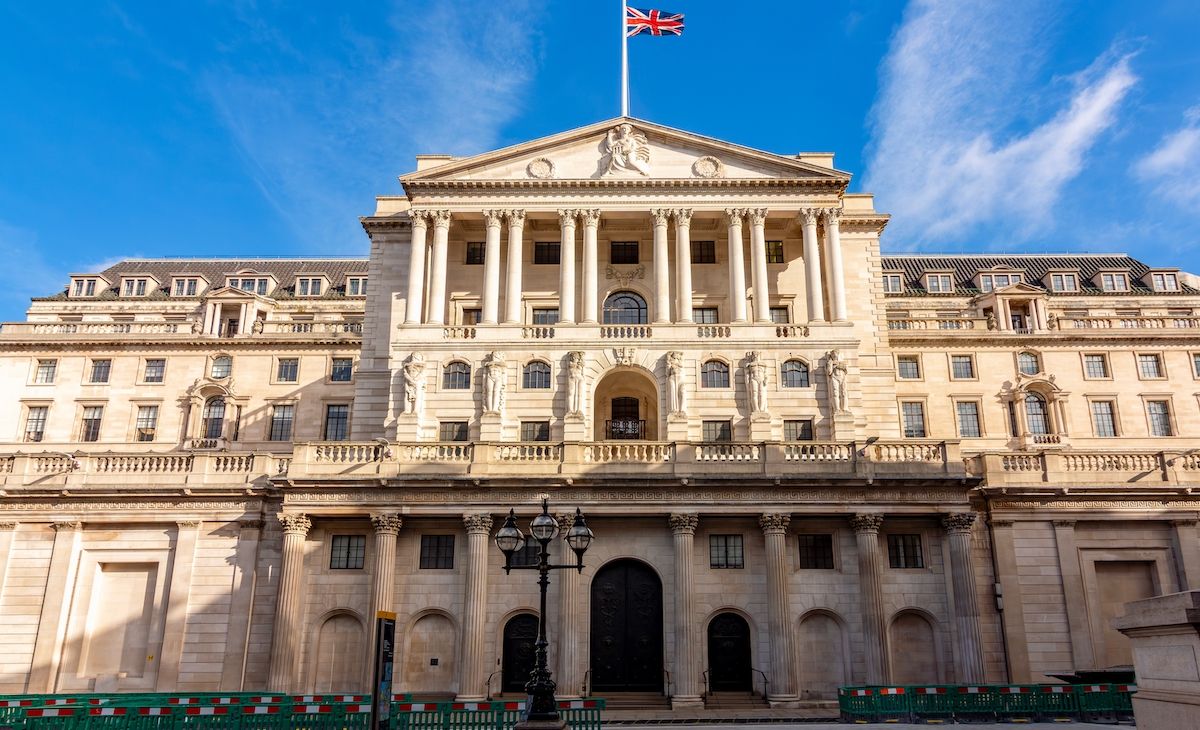
Four tech giants inherited bank-style oversight overnight, raising compliance costs for FinTechs, and AI vendors could be next in the FCA's sights.
A dark-web seller claims 35GB of Accenture's source code and cloud access keys. The company's official statement fits in two sentences.

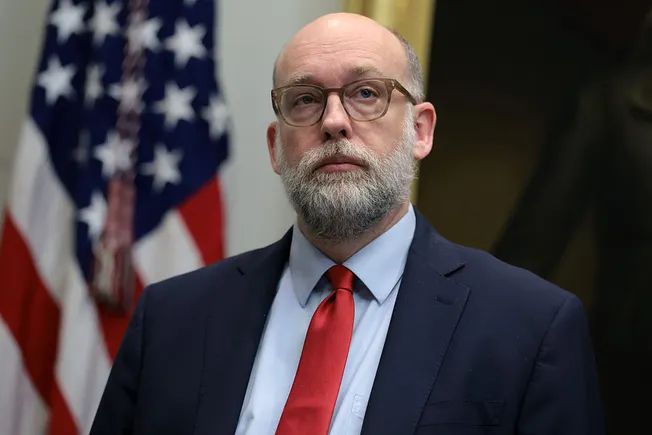
Russell Vought makes his first Capitol Hill appearance as CFPB chief on July 15, while his own successor nominee remains unconfirmed by the Senate.
A $1.2M Polymarket insider trading case just pushed Goldman to ban staff bets on stocks, bitcoin and ceasefires. Congress hasn't banned itself yet.
The CFPB torched its own $10B late-fee rule in a court settlement last year. Now it's quietly reopening the same fight.
A federal judge slammed 'red flags' in Musk's SEC deal but approved it anyway, letting him resolve a $150 million dispute for $1.5 million.

The CFPB just told the White House it wants another look at late fees, a year after it abandoned its $8 rule in a settlement.
Sony's $40 million trust charter cleared the OCC, and bank lobbyists are already calling it a two-tier system built for stablecoins.
No fine, no named target this time. The SEC wants three new rules to pull crypto trading back onto U.S. soil before Congress acts.
A Fed governor just dissented on his own board's AML overhaul, calling the new enforcement standard undefined. Banks should take note.
FinCEN's first KYC rulebook for stablecoin issuers lands, and nonbank players now face compliance costs that banks have absorbed for decades.
New York's mini-1033 bill caps violations at $10,000 each, and thousands can stack in minutes. States aren't waiting for the CFPB anymore.
ECB scraps 40 outdated supervisory guides and signals its guidance was never legally binding, a clarification EU banks have long wanted.

HUD's five Mortgagee Letters make appraisal field reviews optional and strip lender pattern-review duties, shifting detection risk onto FHA.
Nacha's Phase Two ACH fraud rules are live as of June 22: unauthorized fraud now drives 71% of bank losses, and every RDFI must respond.

CFPB's biggest complaint system overhaul since 2011 pushes consumers to exhaust FCRA rights first. Equifax, Experian, and TransUnion quietly win.
Credit repair clinics turned the CFPB portal into a revenue engine. New triage rules could shut that down and snag legitimate disputes too.
Coinbase's new system update puts an SEC-registered AI adviser at the center of its bid to become a bank, brokerage, and crypto wallet in one app.

Hackers used social engineering to steal cardiac health data from 12 million iRhythm patients; the HIPAA breach notice to HHS is next.

ServiceNow patched an open API silently on June 5, then disclosed attackers had queried customer tables four days later. Shares fell on disclosure.

SoFi's Hong Kong unit discovered a vendor breach on April 30 but can't say who was hit, what was taken, or whether the vendor was extorted.

The Fed can't see where $300B in bank money flows into private credit, and it's now demanding answers before the next cockroach surfaces.

The Supreme Court's 8-1 ruling upholds $104M in FCC fines against AT&T and Verizon for selling real-time location data to bounty hunters.
The FDA's first 483-response guidance sets a 15-day clock and wants risk assessments. Miss the window and you invite a warning letter.

One is field notes from an FDA inspector. The other is the agency's formal legal escalation. Confuse them and you mishandle both.

CFTC's formal prediction market rule is now in White House hands: 3,534 comments in, four state lawsuits filed, and the text still secret.

Wise and Crypto.com's U.S. sponsor bank got an OCC consent order after its AML system was auto-closing alerts that should have triggered SARs.
The FFIEC just stripped Management's veto over composite bank ratings for the first time since 1996. The comment window closes August 17.
Warren gave the Fed, OCC, and FDIC until June 3 to justify a Morgan Stanley exemption she says diverts U.S. deposits to fund a German bank.

Goldman's $500M shareholder settlement adds to a $7.5B total 1MDB bill, or 12x the $600M in fees the bank collected for that deal.
The CFPB's revised 1071 Rule cuts the small-business revenue ceiling to $1M, drops key demographic data, and pushes compliance to 2028.
Apple stopped $2.2B in App Store fraud in 2025, rejected 1.1 billion fake account creations, and now sits at $11.2B blocked over six years.

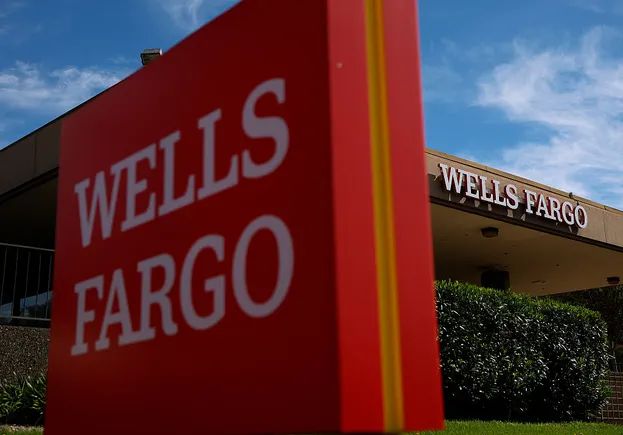
Wells Fargo agreed to a $110M discrimination settlement. The $100M goes to a new mortgage fund, not to the Black homeowners turned away in 2020.
The SEC's 'innovation exemption' would let platforms tokenize Apple shares without issuer consent, and there's no limit on duplicate wrappers.
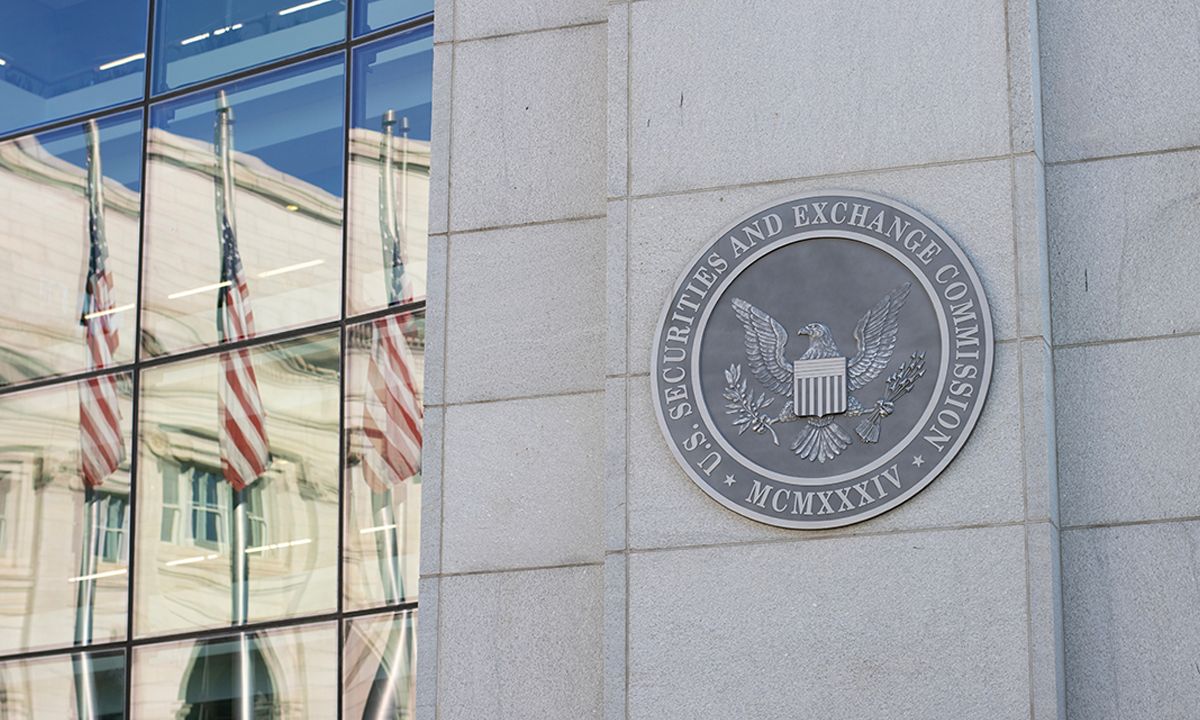
Chairman Atkins just gave every company fighting an SEC enforcement action a new weapon: the right to publicly deny while still settling.
CFPB just scrapped disparate impact under ECOA, but mortgage lenders and state AGs in New York, New Jersey, and Massachusetts won't play along.
FDIC's transaction-level data shows the $49M-threshold depositors who drained SVB in six days, and they ran at Signature and First Republic too.

CFTC chairman Selig says the agency is chasing hundreds of insider trading tips on prediction markets, with AI surveillance tools now live.

SEC enforcement chief Woodcock commits to quality over quantity, signaling that borderline inquiries could quietly fall off the agency's docket.

A federal judge wants answers on how Musk's SEC deal was reached, why it uses a trust, and whether White House meddling tainted the process.

CFPB killed Citi's Armenian discrimination order three years early. Vought told Congress the $24.5M fine was 17x the actual redress.
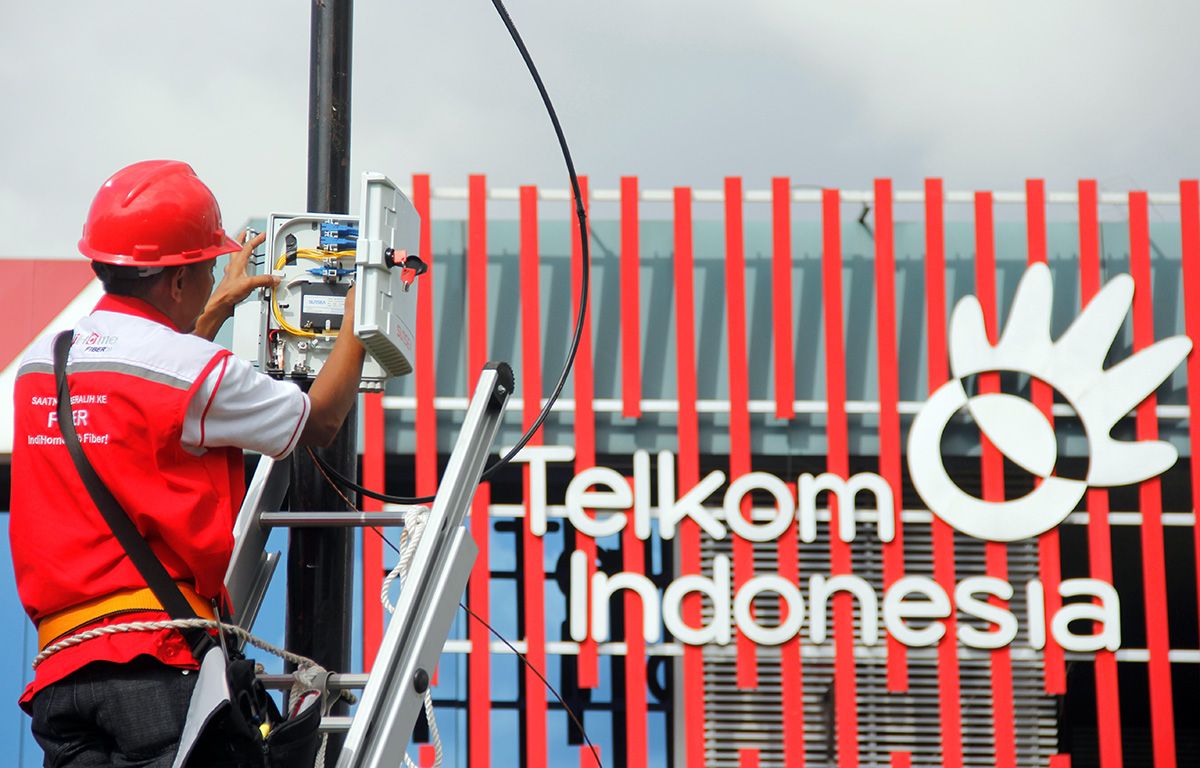
Telkom Indonesia's 140 sham transactions have drawn both SEC and DOJ scrutiny, spanning revenue recognition, internal controls, and FCPA compliance.
The CFPB's April 2026 ECOA rule kills disparate impact for credit cards and auto loans, but leaves mortgage lenders still exposed under the FHA.
$166 million in annual compliance savings sounds like a win.

$348.2 million later, the OCC decided JPMorgan Chase has done enough.

The FDIC and OCC just banned reputation risk as a basis for bank supervision.
The FDIC proposed a 191-page Genius Act stablecoin rule Tuesday, its second under the Act.
Nearly $2.4 million is the price a Florida-based VC fund chief agreed to pay the SEC to settle fraud claims.
Nikhil Rathi warned claims firms and law firms over the tension between car finance litigation and the FCA's redress scheme.

Treasury's FinCEN and OFAC issued a joint proposed rule placing every U.S. stablecoin issuer under AML and sanctions compliance.
SEC Chairman Paul Atkins taps Gibson Dunn securities partner David Woodcock to lead the 1,000-person Enforcement Division, effective May 4, 2026.

The SEC's FY2025 enforcement haul drops to $2.7B once you strip the Stanford Ponzi and parallel criminal proceeds from the $17.9B headline.
The SEC paid one whistleblower $50M+ for an early tip that triggered an enforcement action, implying at least $167M in underlying sanctions.