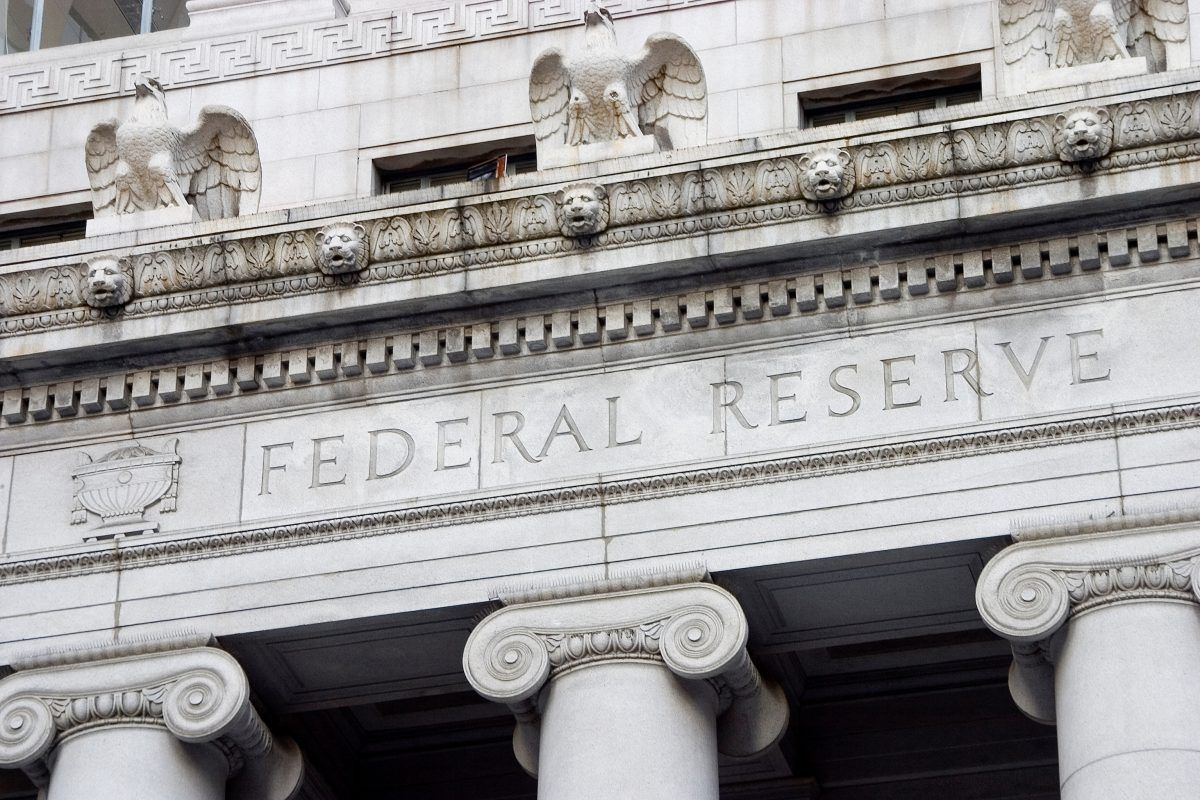
Six votes to one. That’s how the Federal Reserve Board approved a proposal Monday to rewrite anti-money laundering requirements for every bank it supervises, and the lone dissent is the number that matters.
The rule tells banks to stop spreading compliance dollars evenly and instead pour resources into higher-risk customers, while folding FinCEN’s AML priorities directly into their risk assessments. The Fed says it will now focus enforcement only on “significant” program failures, not paperwork gaps. Comments are open 60 days after Federal Register publication.
Governor Michael Barr cast the no vote, warning the “significant or systematic” standard is undefined and could weaken the Fed’s ability to prove a bank isn’t compliant. That’s not a technicality. It’s the difference between an examiner citing a bank tomorrow and one waiting for a failure big enough to clear an unwritten bar.
This is the fifth agency to move in lockstep this year. FinCEN, the OCC, the FDIC and the NCUA all issued matching proposals in April, and Treasury Secretary Scott Bessent framed the whole push as ditching “the volume of paperwork” for actual illicit-finance results. Coordinated rulemaking across five regulators doesn’t happen without White House sign-off, and it signals Treasury wants this locked into the Federal Register before any post-midterm political shift can stall it.
Watch the comment period. Sixty days from publication is the next hard deadline, and Barr’s dissent gives banks currently under enforcement scrutiny a ready-made argument to relitigate their exam findings once the standard shifts.
— Marcus Webb