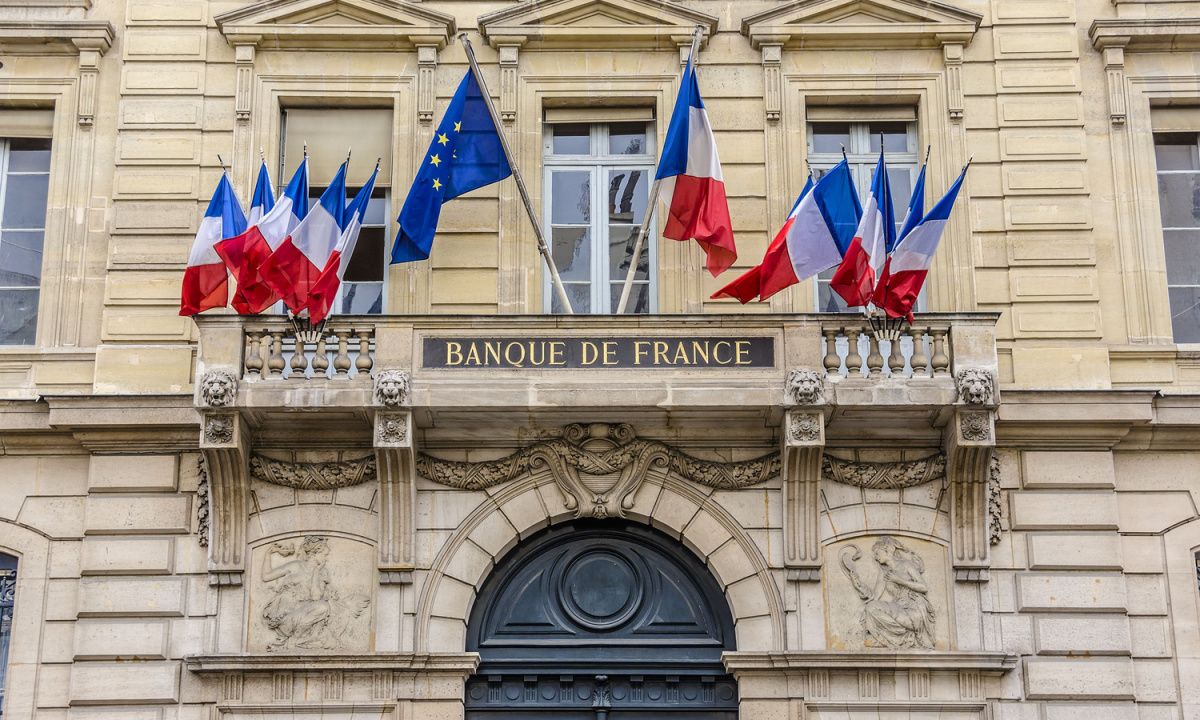
Denis Beau, first deputy governor of the Bank of France, told EU policymakers at the Eurofi High Level Seminar on March 26 that the Markets in Crypto-Assets Regulation (MiCA) only “partially addresses” the risks from stablecoins issued by non-European players.
His remarks, posted by the Bank for International Settlements on April 9, carry three specific demands. Restrict non-euro-backed stablecoins from everyday payments. Much more strictly regulate multi-issuance of the same stablecoin inside and outside the EU to reduce regulatory arbitrage in times of stress. Clarify the framework for e-money tokens (EMTs) to improve clarity regarding regulatory requirements.
The architecture argument is direct: bank-issued stablecoins and those from electronic money institutions in banking groups carry lower counterparty risk because those issuers benefit from direct access to central bank liquidity and European supervision. Non-bank stablecoin issuers don’t. That gap becomes critical when a stress scenario arises involving foreign holders of a stablecoin with claims on EU-based issuers, a concern the ECB raised in September 2025 when it pushed for a multi-issuance ban.
Beau also invoked the Financial Stability Board’s “same activities, same risks, same rules” principle for consistent global crypto regulation. Europe’s been moving this direction since January, when policymakers weighed cutting reliance on U.S. card networks and dollar-based stablecoins while preserving the ECB’s role.
If France’s position shapes a MiCA revision, non-bank dollar stablecoin issuers targeting EU consumers won’t just face compliance costs; they’ll face structural exclusion from the payments market.
James Okafor