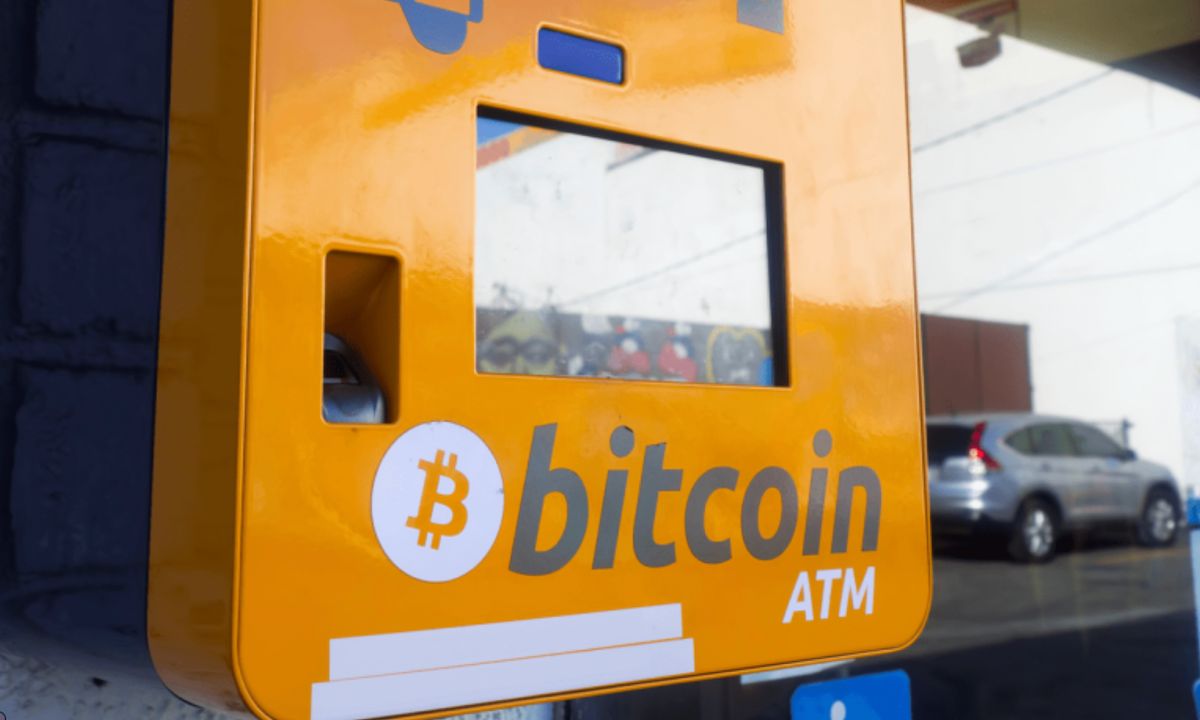
Canada’s 2026 Spring Economic Update, released Tuesday, proposes banning crypto ATMs nationwide. The proposal says the machines are “a primary method for scammers to defraud victims and for criminals to place their cash proceeds of crime.”
The government’s own numbers suggest the damage runs deeper than the headline figure. Canadians lost more than $704 million to fraud last year, bringing total reported losses since 2022 to upwards of $2.4 billion. With only an estimated 5-to-10 percent of consumer-targeted fraud incidents reported, the true toll is likely far higher.
Canada wouldn’t be acting alone. Connecticut’s banking regulator suspended Bitcoin Depot’s money transmission license last month for allegedly violating compliance requirements, overcharging customers, and failing to refund fraud victims. Bitcoin Depot, the world’s largest crypto ATM operator, is also being sued in Massachusetts, where investigators found that more than half of the money flowing through its kiosks between August 2023 and January 2025 was scam-related.
The FTC has called the machines a “payment portal for scammers.” In 2024, the commission cited their use in government impersonation, business impersonation, and tech support scams.
The industry’s counter: banning the machines removes a tool for financial privacy. “The question isn’t whether crypto ATMs should exist; it’s whether society is comfortable with a future where every dollar must pass through a fully surveilled, fully permissioned gatekeeper,” said Alex Davis, founder and CEO of blockchain company Mavryk.
Bitcoin Depot disagrees with claims that it facilitates scams and says it works with law enforcement. The proposal has not yet been enacted, and no date has been set.
James Okafor