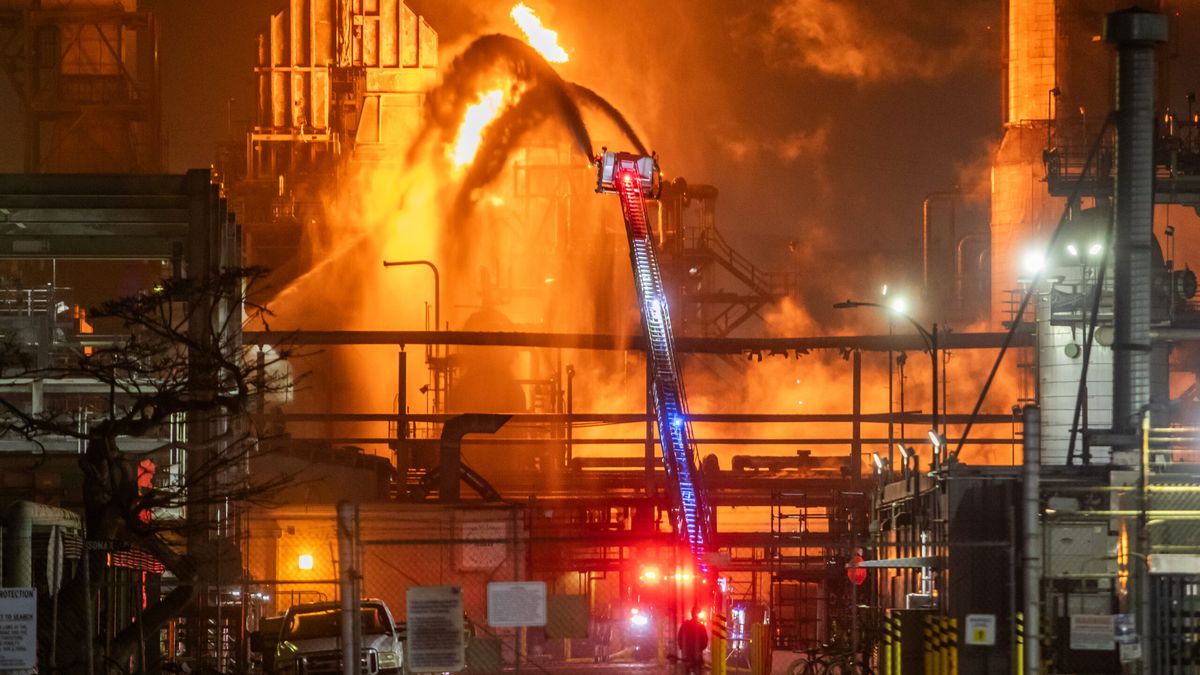
PEER and a coalition of community groups sued the Chemical Safety Board in the U.S. District Court for the District of Columbia to force it to write chemical-release reporting rules under the Clean Air Act Amendments of 1990. In February 2019, Judge Amit Mehta ruled the board’s near three-decade delay was an egregious abdication of a statutory obligation and ordered rules finalized within a year.
Seven years later, EPA wants to unwind what came out of that fight. Its Common Sense Approach to Chemical Accident Prevention proposal would gut the 2024 Safer Communities by Chemical Accident Prevention rule, stripping out safer-alternatives analyses, independent root-cause investigations and worker participation in accident-prevention planning. EPA’s own estimate: $234.7 million to $240.3 million in annual savings for industry.
Data PEER released this year shows accidents involving evacuations, injuries or deaths are still happening at least once a week. EPA cites the identical 2014-2023 incident numbers and reaches the opposite conclusion, that industry’s own prevention plans already worked before the 2024 rule ever kicked in.
That’s the actual dispute hiding in this docket. Both sides are reading the same dataset and walking away with opposite verdicts, and nobody at the agency disputes that the country’s chemical infrastructure keeps aging while its oversight staffing keeps shrinking. Betting a rollback on correlation standing in for causation doesn’t hold up well once a plant blows up mid-litigation.
Comments closed May 11, 2026. EPA says it’s targeting a final rule by year’s end, which puts the next courtroom fight over this same data back in front of a federal judge before 2027 opens, if PEER files again.
James Okafor