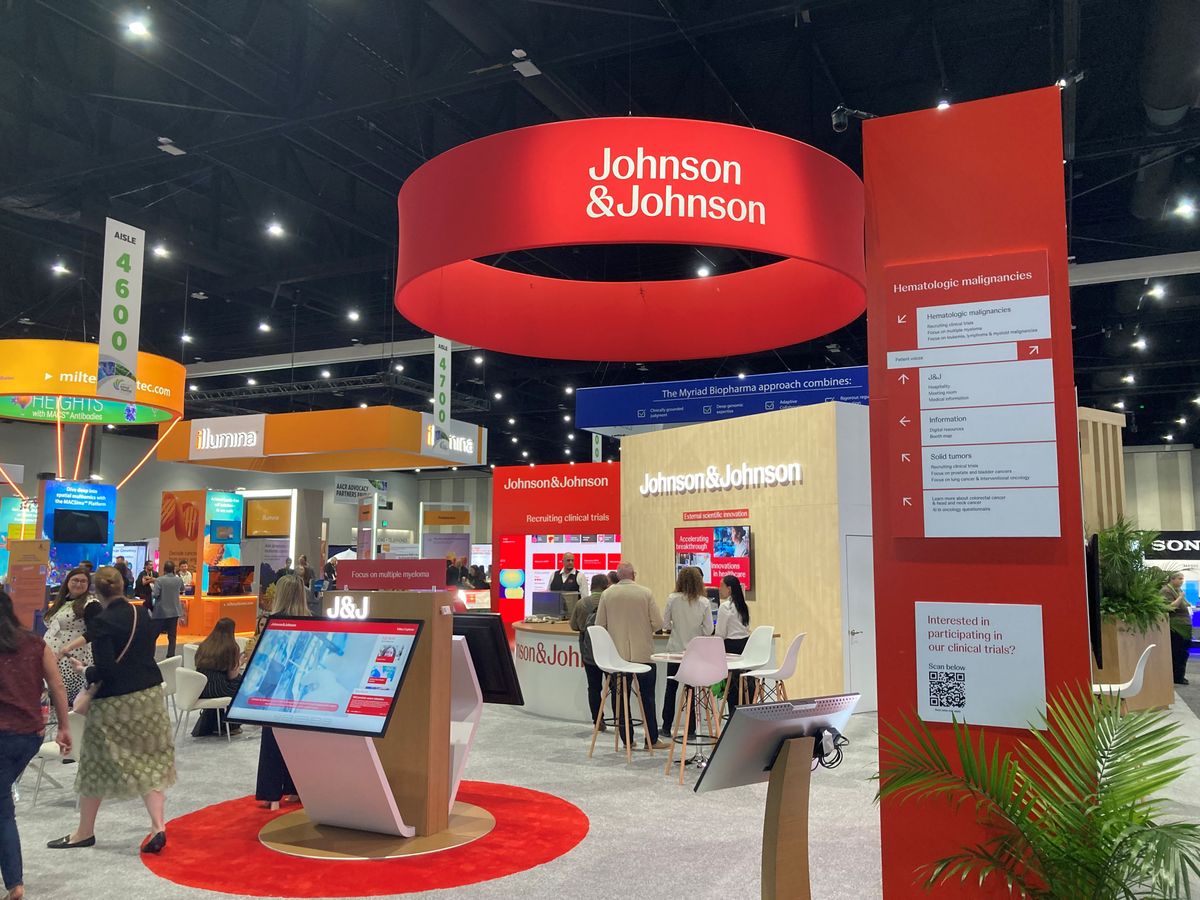
J&J’s Proteus phase 3 press release, dated May 31, drops the number payer actuaries will pressure-test all year: Erleada (apalutamide) cuts metastasis or death risk by 20% when layered onto hormone therapy before and after prostatectomy in high-risk localized disease. The Proteus study enrolled 2,109 patients with median 61.7 months of follow-up and met two primary endpoints.
The underlying treatment gap is real. Nearly half of high-risk prostatectomy patients see their cancer return. The Proteus regimen used a perioperative design: six months of Erleada plus androgen deprivation therapy flanking surgery. That hit 8.9% pathologic complete response or minimal residual disease versus 1% in the hormone therapy-only arm. Median time to additional therapy stretched past six years, nearly double the 3.5 years in controls. J&J’s team says additional analyses are in the works to “further contextualize these findings” against surgery alone.
ASCO selected these data for a plenary slot. That’s not routine. J&J’s global medical affairs VP called it the first time anyone had “the audacity” to run a 2,000-patient perioperative study here. The 125-year surgical status quo backs that framing.
Here’s the commercial lens. Erleada posted $3.57 billion in 2025 global sales, up 19.2%, on its existing indications. High-risk localized disease accounts for up to 40% of 330,000 annual U.S. prostate diagnoses, a patient pool Erleada’s current labels don’t reach. Bayer’s Nubeqa and Pfizer/Astellas’s Xtandi compete hard on metastatic turf. Moving to curative-intent surgery, where J&J now holds the only phase 3 dataset, opens a lane those competitors can’t match today.
Worth auditing your prostate formulary before J&J files for the perioperative indication.
— Rebecca Lauren