The FCC voted unanimously Wednesday to tighten Know Your Customer rules for U.S. telecoms, closing a loophole dating to 1999 that let foreign companies banned on national security grounds still operate on American networks.
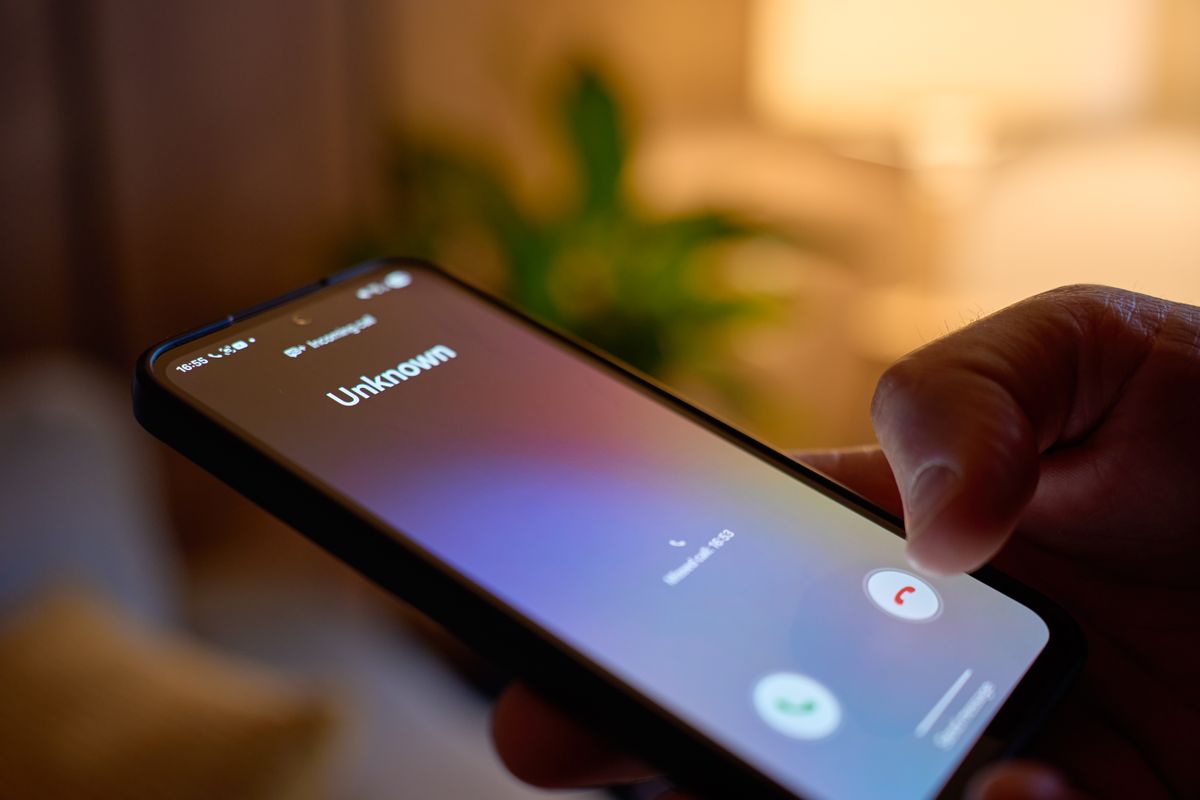
Three measures cleared the commission. The first strengthens KYC caller verification: among the solutions being considered are requiring telecoms to confirm a customer’s name, address, government ID, and alternative phone numbers before activating service. FCC Chair Brendan Carr said current rules let carriers “do the bare minimum” and “become complicit in illegal robocalling schemes.” Penalties could be tied to the number of illegal calls placed.
The second measure is the structural one. Since 1999, the FCC granted blanket interstate operating authority to domestic carriers, but that policy extended by default to foreign companies on the commission’s covered entity list, which bans a small number of Russian and Chinese firms on national security grounds. Equipment from those firms still reached U.S. networks by providing services outside the legal definition of international telecommunications authority. Wednesday’s vote closes that gap.
The third measure refuses to recognize overseas equipment testing labs without a reciprocity agreement with U.S.-based labs. The FCC withdrew or denied certification for 23 overseas labs last year; this rule codifies that posture.
Commissioner Olivia Trusty, who helped develop the foreign-carrier rule, said threats facing telecom networks “exceed those of any recent era.” Carr’s KYC measure opened a comment period: final rules don’t exist yet, and industry’s compliance window hasn’t started.
James Okafor