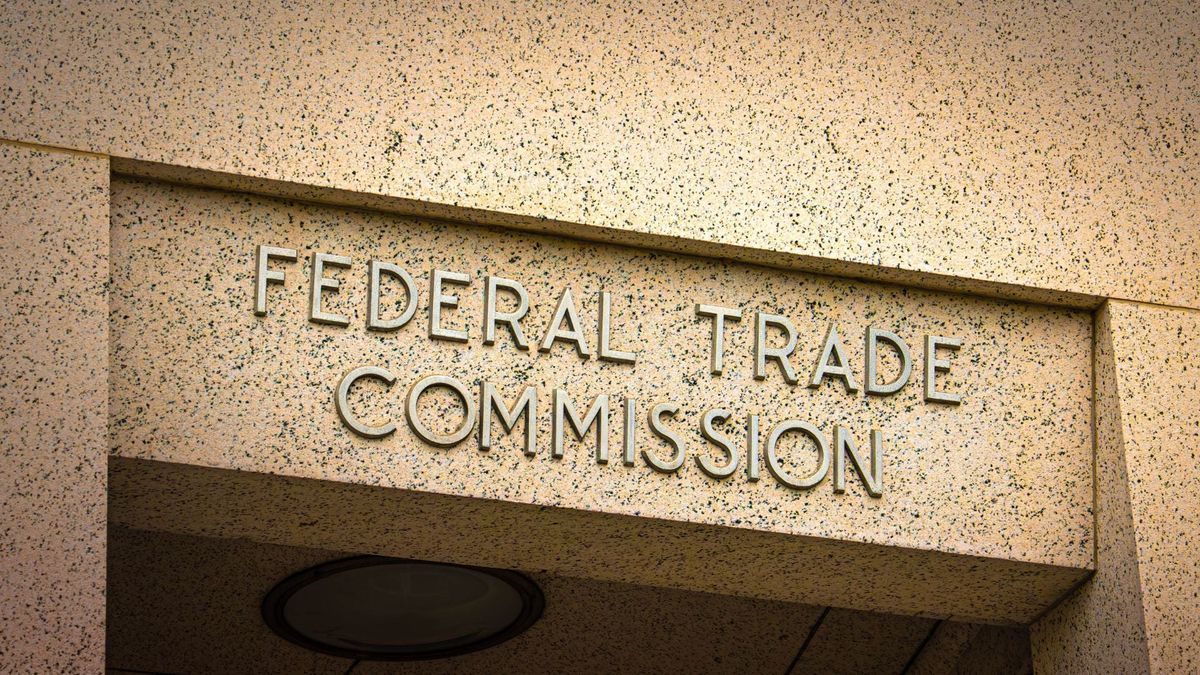
The FTC filed an administrative complaint and proposed consent order (a binding settlement that lets a deal close under conditions), requiring Indian drugmaker Aurobindo to divest four generic products to New Jersey’s Quagen Pharmaceuticals before completing its $250 million acquisition of Pennsylvania-based Lannett. The agency cited Section 7 of the Clayton Act, which bars mergers that may substantially lessen competition.
The four products: mycophenolate mofetil (an immunosuppressant that prevents organ transplant rejection), pilocarpine (dry mouth treatment for radiation therapy patients), rabeprazole (a proton pump inhibitor), and niacin extended-release tablets (cholesterol management and B-vitamin therapy). In each market, Aurobindo and Lannett are among a small group of manufacturers competing for sales.
“Without the divestitures, the deal would increase the likelihood that Aurobindo would be able to unilaterally exercise market power in these four drug markets,” the FTC wrote in its June 18 release. Daniel Guarnera, director of the Bureau of Competition, said the action protects “millions of patients from the threat of higher generic drug prices.”
Aurobindo and Lannett announced the merger in August 2025 in an Indian stock exchange disclosure, with Aurobindo calling it an entry point into the ADHD medication market and a path to Lannett’s manufacturing facility in Seymour, Indiana, which the company said aligns with reshoring initiatives and government procurement preferences.
FTC merger remedies in generic pharma have trended structural over behavioral: the agency demands divestiture to a named buyer rather than accepting conduct commitments. Whether Quagen has the manufacturing capacity and regulatory standing to actually compete on day one is the question no consent order answers. A paper divestiture doesn’t protect patients.
The public has 30 days to comment on the proposed consent order.
James Okafor