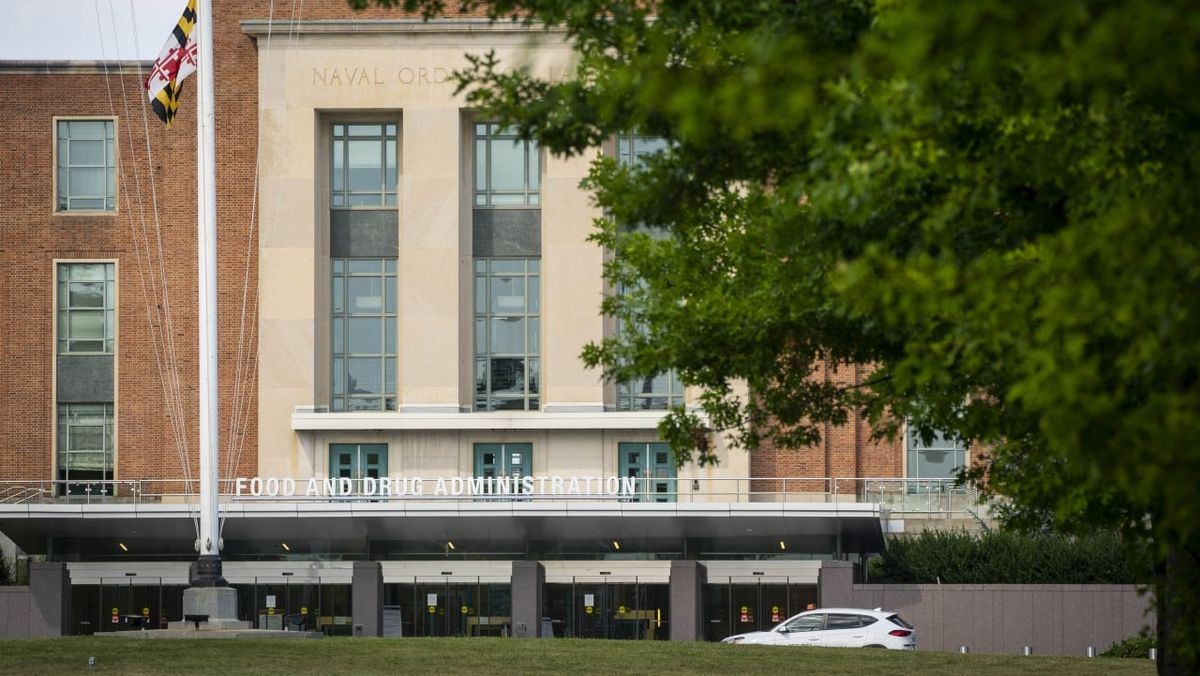
FDA rejected Hengrui and Elevar’s camrelizumab-rivoceranib combination for liver cancer on July 9, the third complete response letter for the same drug pairing. The rejection cited a Form 483 at Hengrui’s Jinqiao Road plant in Lianyungang, China, as the sole deficiency.
Six days later, the citation looked resolved. HLB, Elevar’s Korean parent, announced the Jinqiao facility had earned a Voluntary Action Indicated classification, FDA’s way of saying the issues were too minor to punish. The original PDUFA target date was July 23, still a week off when that news landed, and investors wanted to know why FDA didn’t just wait it out.
It didn’t need to wait. A second Form 483, nine observations deep, hit Hengrui’s Dongjin Road facility following a June 23 to July 3 inspection, too late in the review cycle for FDA to fold into the CRL but not too late to matter for a resubmission. Under PDUFA rules, the agency has to rule once its review is done, not sit on a decision waiting for real-time remediation.
Inspectors flagged missing risk assessments for cleaning validation, batch records altered without quality sign-off, and one batch shipped to the U.S. in June despite blowing past its compounding hold-time limit. Three rejections in, all tied to manufacturing, not the clinical data behind the drug. Dongjin caught its first Form 483 in 2023 — this is round two.
That pattern is the real read here: three straight CRLs traced to plant compliance rather than the drug itself make a single-site supply chain look like a bigger threat to approval than the science ever was.
Hengrui and Elevar now choose between appealing the CRL or resubmitting after fixing Dongjin, chasing a faster three-month Class 1 review. HLB says it’s also scouting a U.S. contract manufacturer, done betting a decade of sales on one Chinese facility. Hengrui’s written response to the second 483 is due July 24.
Sarah Chen