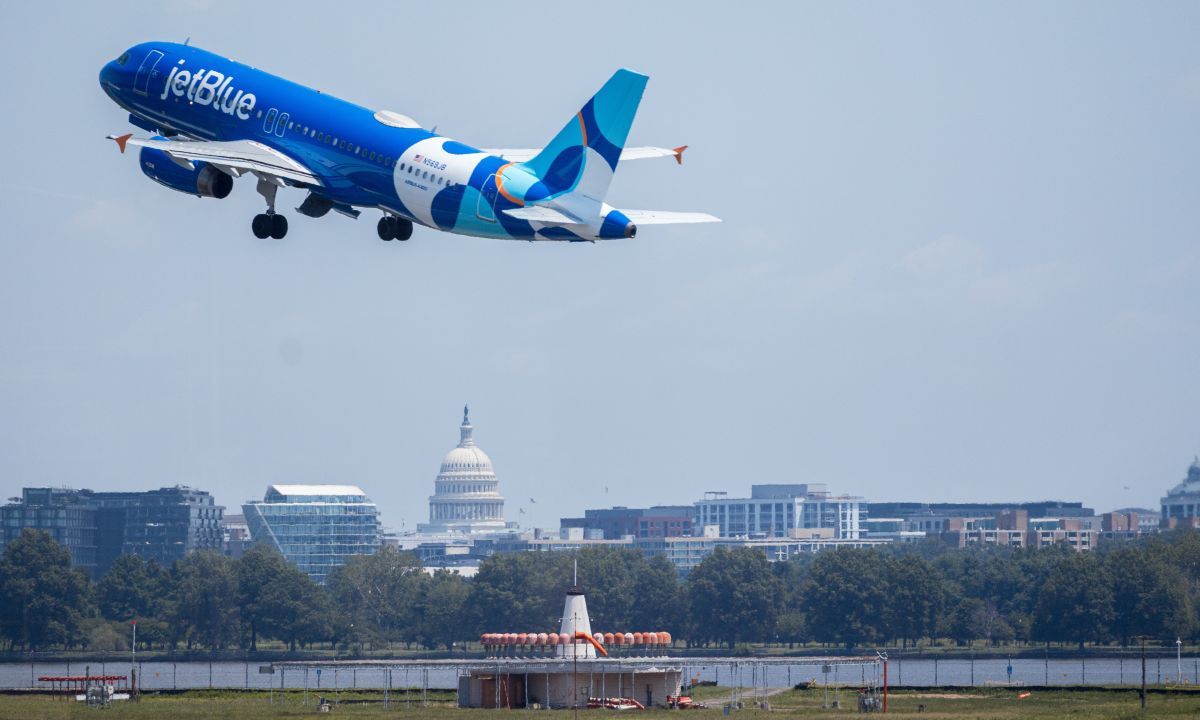
Two lawmakers sent JetBlue a formal letter on April 20 demanding answers about whether the airline uses AI and customer data to set prices. It started with a deleted tweet.
JetBlue’s official X account told a frustrated customer to try clearing their “cache and cookies or booking with an incognito window” when they complained about a price increase. The post went up April 18 and disappeared, but the Financial Times caught it first. Rep. Greg Casar (D-Texas) and Sen. Ruben Gallego (D-Ariz.) called it “a clear suggestion that the company is using surveillance pricing.”
Surveillance pricing means using indicators like location, demographics, shopping history, browsing patterns, or mouse movements to set “targeted, tailored” prices. Both lawmakers have introduced legislation to ban the practice.
JetBlue denied it. The airline’s statement says fares on its website and app “are not determined by cached data or other personal information” and that it doesn’t use AI or personal data to set individual pricing. All customers see the same fares, JetBlue says.
Congress isn’t satisfied. The letter asks specifically how JetBlue defines personal data and whether it informs pricing “in any capacity.” The lawmakers named a concrete scenario: customers paying different prices for the same flight based on personal circumstances, like attending a funeral.
Delta faced the same scrutiny last summer after reports it tested AI-powered personalized pricing on about 3% of its flights. Delta denied it too.
For any founder running a pricing model with behavioral data in the stack: this is the sequence that actually costs you. A support reply goes wrong, Congress gets a screenshot, and your pricing architecture becomes Exhibit A before you’ve lawyered up.
— Nathan Zakhary