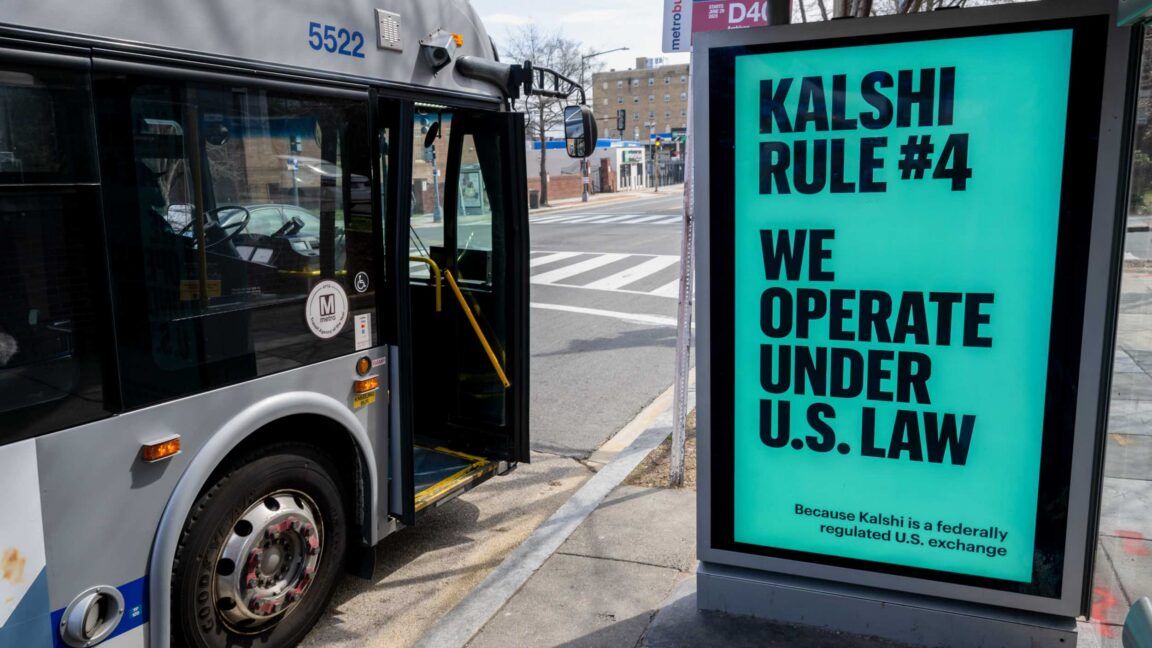
Judge Analisa Torres just told Kalshi that federal law doesn’t erase New York’s gambling statute. Ruling in KalshiEX LLC v. Williams on July 7, Torres denied the company’s bid for a preliminary injunction against the state gaming commission, finding no “clear and manifest purpose of Congress” to preempt state authority over sports-event contracts.
I read the order twice for the same reason every compliance lawyer will: the Commodity Exchange Act’s savings clause. Torres leaned on the CEA provision stating CFTC jurisdiction doesn’t “supersede or limit” other regulators’ authority “under the laws of… any State.” Congress carved out narrow preemption for swaps tied to specific insurance and gambling contexts elsewhere in the statute. That specificity, Torres wrote, proves Congress knew how to preempt broadly and chose not to here. Gambling regulation is a “traditional police power,” and Kalshi never showed it’s impossible to comply with both New York law and the CEA.
That reasoning runs straight into a wall the Third Circuit built in April. In KalshiEX LLC v. Flaherty, the panel found CFTC jurisdiction over Kalshi’s sports contracts is likely exclusive, blocking New Jersey from touching them. The Sixth Circuit refused Kalshi an injunction against Ohio gambling laws months earlier.
Same underlying statute, but Torres’s SDNY ruling now sits alongside a real circuit split: the Third Circuit blocked New Jersey’s authority in Flaherty, while the Sixth Circuit let Ohio’s stand. That kind of split is exactly what gets a cert petition granted. Kalshi already has an SDNY loss and a Third Circuit win on the same legal question; expect the Second Circuit appeal to be the next data point before the justices decide whether to referee.
Worth reading the Torres order before you draft any preemption argument this quarter.
— Rebecca Lauren