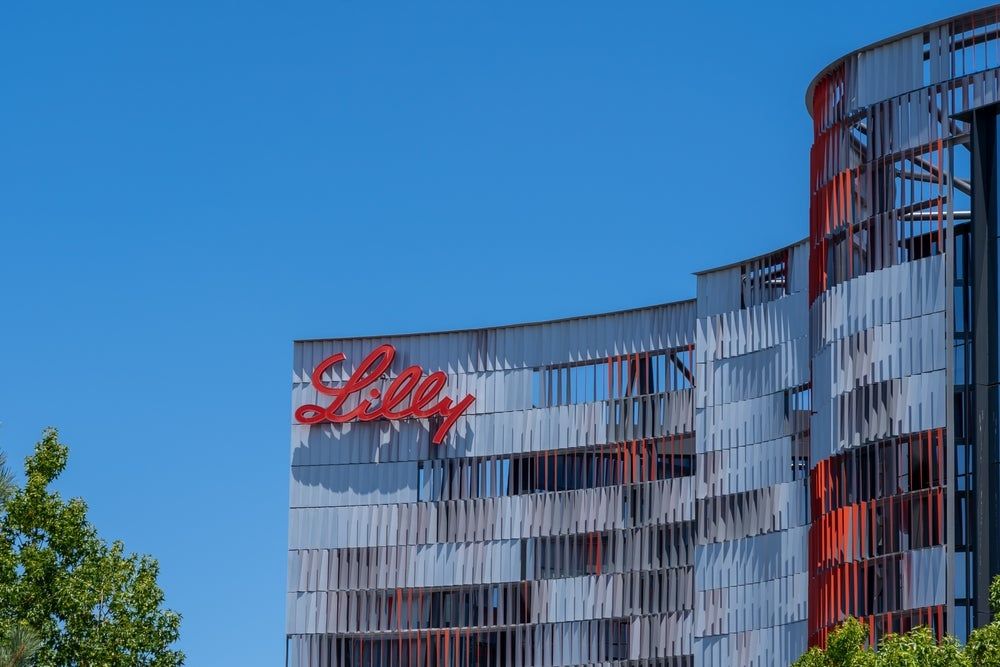
Lilly paid $7bn for Kelonia Therapeutics: $3.25bn upfront and up to $3.75bn in milestone payments tied to clinical, regulatory, and commercial success. Kelonia is Massachusetts-based and private, so there’s no unaffected share price to benchmark. Context fills the gap: this is Lilly’s second in vivo buyout in under three months.
The first was Orna Therapeutics, bought in February 2026 for $2.4bn, which brought Lilly an LNP-based in vivo delivery platform. Kelonia adds the other approach: a lentiviral vector system called iGPS, designed to engineer the body’s own immune cells to produce anti-BCMA CAR-Ts without ex vivo manufacturing. Lilly now owns both major in vivo delivery architectures.
What does the buyer actually get? The lead asset is KLN-1010, a single-dose, BCMA-directed therapy for refractory multiple myeloma, currently in Phase I (NCT07075185). There’s also a preclinical bispecific CAR-T targeting both BCMA and CD19, and a discovery-stage asset with an undisclosed mechanism. No peak-sales projection is public, but Lilly Oncology executive VP and president Jacob Van Naarden called the early Phase I data “highly encouraging.”
The lentiviral approach carries documented risk. AstraZeneca’s competing program generated what GlobalData analysts described as “concerning” safety signals: all five patients in a Phase I readout hit Grade 3 or higher adverse events. Whether Kelonia’s iGPS avoids the same toxicity profile is the open question.
The $3.75bn gap between upfront price and deal ceiling tells you Lilly’s conviction is conditional. If KLN-1010 can deliver responses comparable to ex vivo CAR-Ts without the safety overhead, Lilly wins both bets. If lentiviral keeps showing Grade 3 events, the $3.25bn upfront starts to look expensive.
Diana Kowalski