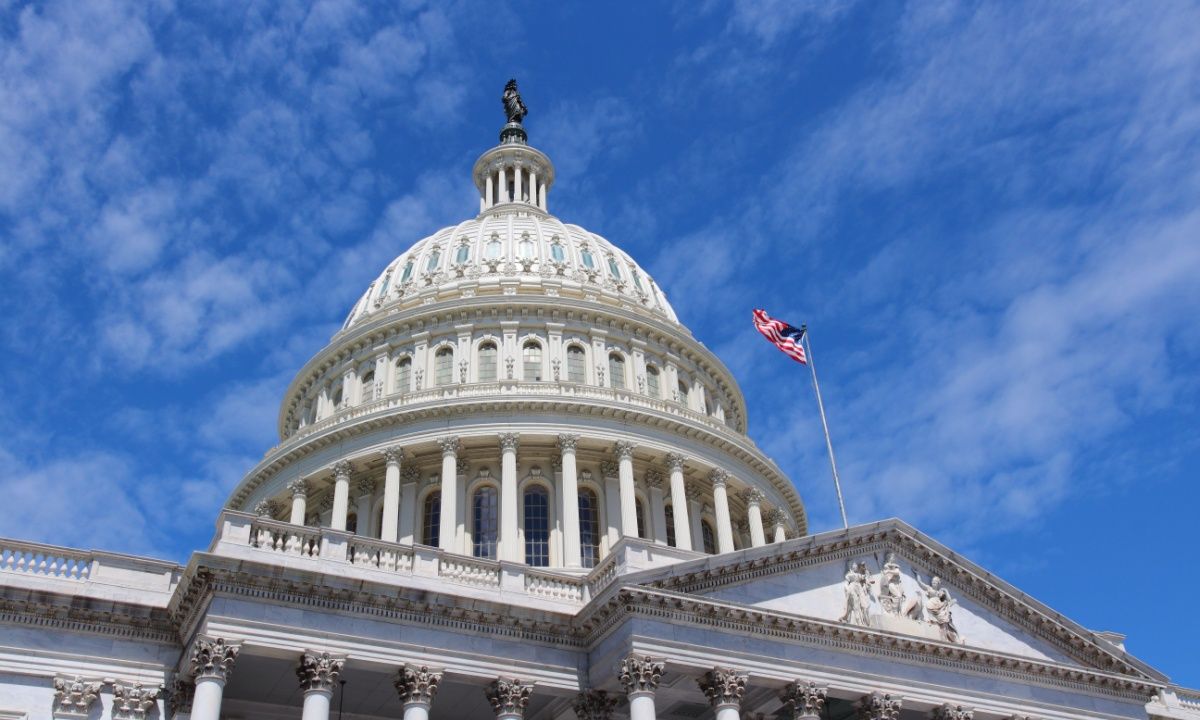
The House passed H.R. 6955, the Main Street Capital Access Act, 270-155, on July 21. It now sits with the Senate.
I read the bill summary this week and the mechanics matter more than the headline. New banks get a three-year phase-in on certain capital requirements instead of meeting them day one. Certain rural community banks get a lower leverage ratio. Regulators must tailor enforcement to an institution’s risk profile and business model, and review their own rules more often. On mergers, the bill lets regulators approve certain deals without a competitive or monopoly determination, and it raises the asset thresholds that trigger Fed Board approval for acquisitions.
The old yardstick was one-size-fits-all supervision calibrated for the whole banking system. The new one tailors the rulebook to size, and that’s the entire fight. Bank Policy Institute says the reforms “unleash banks to better serve their communities.” Americans for Financial Reform, writing for 28 labor, consumer, and public interest groups, calls it a package that “[make] future bank failures and publicly financed bailouts more likely.”
Community banks’ share of U.S. banking assets fell from 28.3% to 13.5% between 2000 and 2020, and their numbers dropped nearly 70% since 1984. That decline is the bill’s entire justification, and it’s also why merger relief cuts both ways: fewer competitive reviews could accelerate the consolidation the bill claims to fight.
The Senate is where the merger and threshold provisions get contested. Worth reading the bill text before that fight starts.
Rebecca Lauren