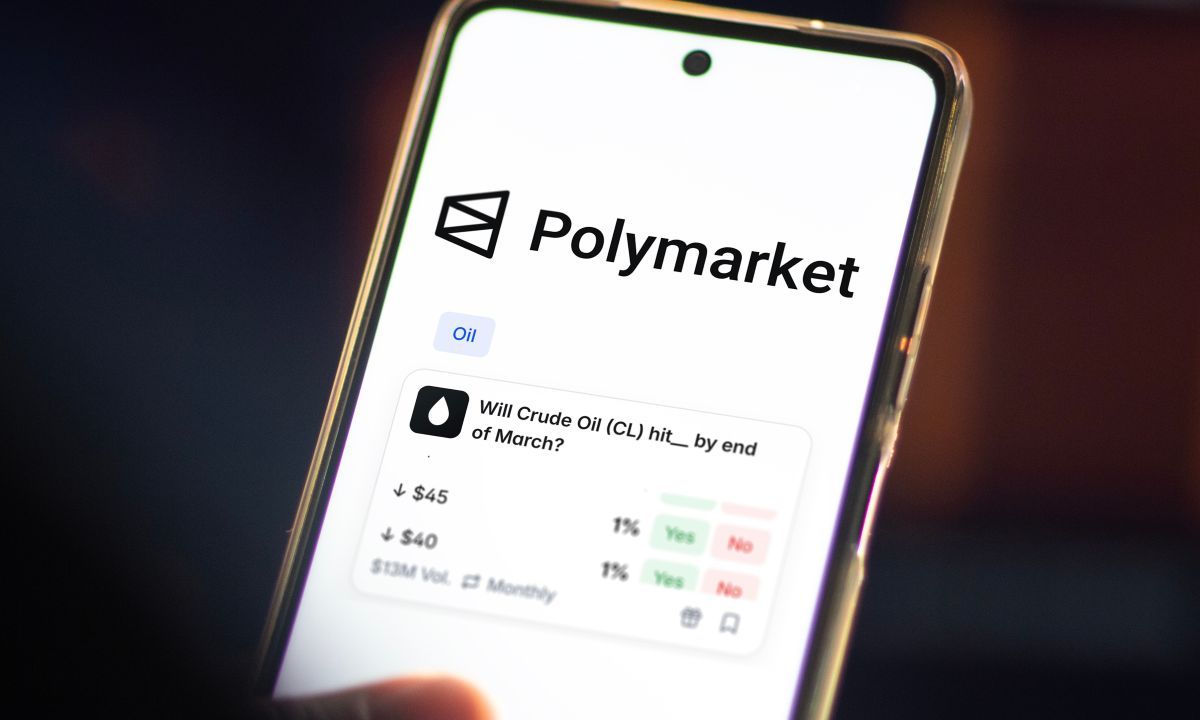
A Wall Street Journal investigation published June 21 found Polymarket paid content creators to film fake trades on near-identical copies of its website, staging victories that showed creators winning almost $900,000. Those bets, placed on the real platform, would have lost more than $166,000.
The campaign ran December 2025 through mid-May 2026: 1,105 videos, 10 creators, one marketing contractor running a network that targeted US audiences. Polymarket isn’t available to US users. Creators were explicitly told not to disclose the material connection. Under 16 CFR Part 255, the FTC’s Endorsement Guides, that disclosure can’t be waived.
This is the second Polymarket payment story in three weeks. A Politico investigation published June 5 found CMO Matthew Modabber sent more than $2.5 million to 800 people via a personal PayPal account, including $350,000 to influencers who posted about the platform on X without paid-partnership labels.
US Representatives Kevin Mullin and Gabe Vasquez had written to the FTC in early June asking it to investigate prediction market platforms for deceptive marketing. The staged-win scheme puts that request in concrete terms: a contractor-managed fake-win network targeting a jurisdiction where Polymarket isn’t allowed to operate.
Polymarket said it would audit active promotional content. Creators added “@polymarket partner” to their bios after Journal inquiries. Worth auditing your own influencer contracts before this becomes a consent decree template.
Rebecca Lauren