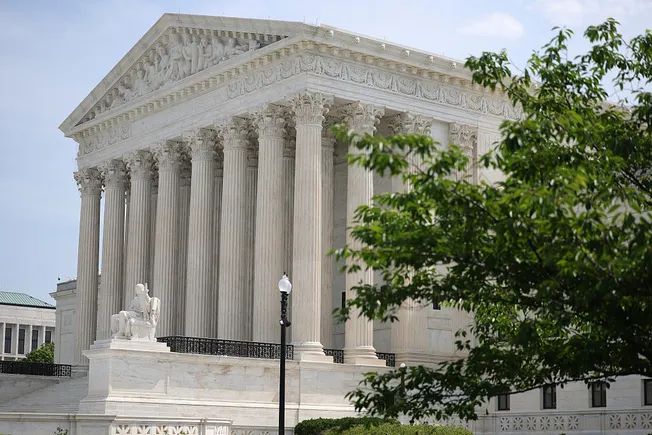
The Supreme Court ruled 5-4 Monday that President Trump couldn’t fire Federal Reserve Governor Lisa Cook, finding his mortgage-fraud pretext failed the for-cause standard in 12 U.S.C. § 242 and that he denied Cook the procedural protections Congress required.
Chief Justice John Roberts wrote for the majority, joined by Justice Brett Kavanaugh and the court’s three liberals. Trump attempted the removal last August after FHFA Director Bill Pulte raised mortgage fraud allegations against Cook. Cook sued, a district court blocked the firing, and the appeals court let the block stand.
Roberts wrote that accepting Trump’s position “would in effect transform the Federal Reserve’s for-cause protection into at-will employment.” The 5-4 majority in Trump v. Cook held Cook was owed “some explanation of the evidence at issue, some avenue for a response, and a deadline by which a response would be due.” Trump didn’t provide any of that.
Monday’s ruling matters beyond Cook’s individual seat. The same court that day backed Trump’s firing of a Democratic FTC commissioner, which tells you the Fed’s insulation is specific, not universal: Congress designed the Fed to operate at a deliberate remove from political process, and the court won’t let presidential hiring pressures collapse that structure through procedural shortcuts. Whether the same logic holds in a future attempt, with proper notice given, is the question lower courts will eventually answer.
Justices Thomas, Alito, and Barrett dissented. The Trump v. Cook district court proceedings now resume: Cook must receive notice and a response deadline before any final removal decision.
James Okafor