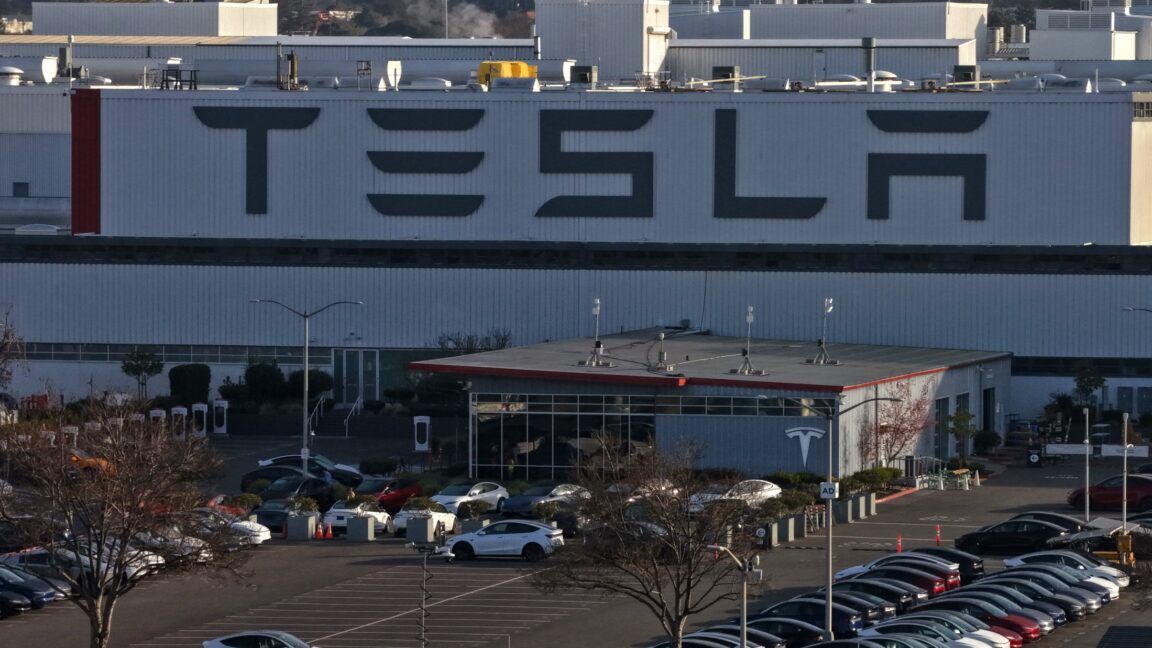
California’s Civil Rights Department sued Tesla in Alameda County Superior Court in 2022, alleging violations of the Fair Employment and Housing Act: racial harassment, discriminatory job assignments, pay inequality, and retaliation against Black workers at the Fremont factory and statewide. On May 27, Judge Peter Borkon denied Tesla’s motion for summary judgment, clearing the case for trial.
The evidentiary numbers are stark. Of 240 declarations submitted by plaintiffs, every one stated they heard the n-word at the Fremont factory. Of the 228 declarations Tesla submitted in its own defense, 99 confirmed the same. Borkon calculated that at minimum 339 of 12,000 Black workers, 2.8%, heard the slur at work. Tesla’s evidence also covered only Fremont, while CRD’s claims reach statewide.
Tesla argued its written anti-harassment policies and training programs proved no pattern of discrimination existed. Borkon disagreed, ruling that written policies alone can’t establish a prima facie showing that no harassment occurred. On pay, Black workers earned $1,533 less per month than white workers across a six-year period.
When your own sworn declarations confirm the core allegation, the “we had a policy” defense doesn’t soften the case: it hands plaintiffs their floor number. Tesla’s 228 witnesses established that at minimum 99 individuals corroborated the slur being heard, giving CRD a baseline that’s harder to refute than any plaintiff-only survey. The statewide scope, unsupported by Tesla’s factory-limited evidence, is the second structural problem Tesla carries into trial.
Trial begins July 20, 2026.
James Okafor