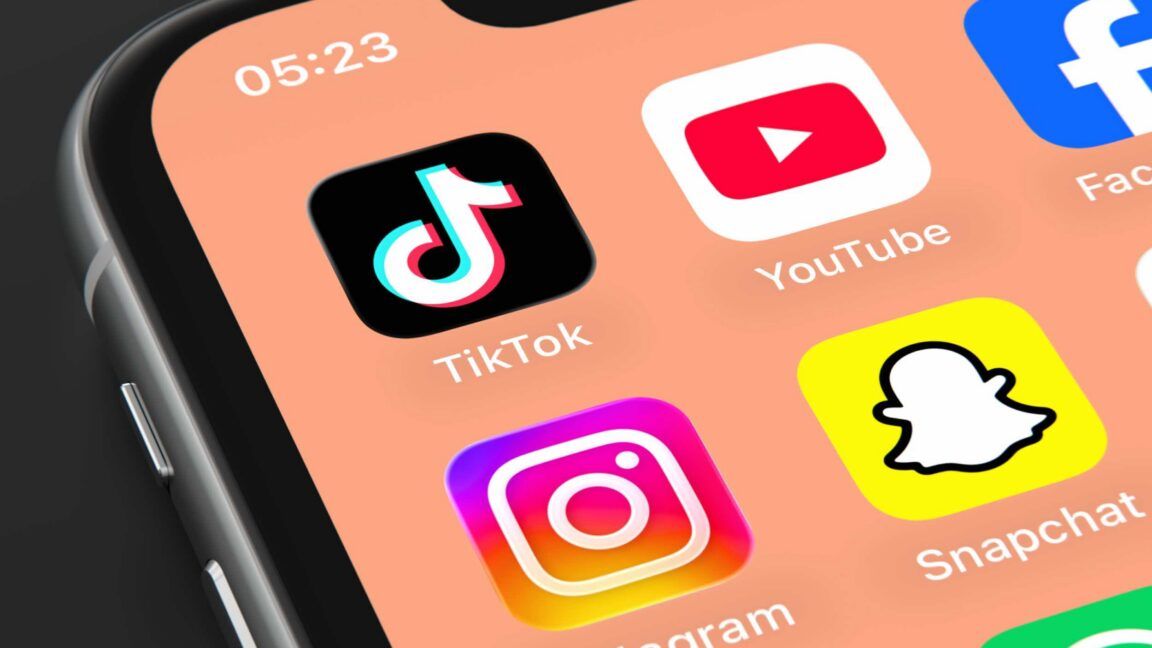
Under the Online Safety Act, the UK government on 15 June 2026 ordered social media platforms to block all users under 16. The ban covers Snapchat, TikTok, YouTube, Instagram, Facebook, and X, with compliance required by spring 2027.
Communications regulator Ofcom is tasked with designing the age-verification scheme, including the possibility of facial recognition, and will set out technical options in coming months. Platforms that fail to take “reasonable steps” to exclude under-16s face financial penalties, using the same enforcement model as Australia’s social media minimum age law, which came into force in December 2025. Social media companies criticized those rules and then complied.
The rules go further than Australia’s. Livestreaming and stranger-contact functions will be blocked for under-16s across gaming and other online services, not just social platforms. Restrictions will be on by default for 16- and 17-year-olds, and the ban won’t apply to messaging services like WhatsApp and Signal. AI “romantic companion” chatbots must enforce an 18-minimum age. The government is also consulting on overnight curfews and mandatory infinite-scroll breaks for under-18s, with detail due in July.
What this signals to other regulators is the more consequential question. The UK’s official announcement explicitly frames Britain as going “further than any country in the world” — a standard that invites legal challenge and imitation in equal measure. The EU’s Digital Services Act already mandates child protections; if Ofcom can make age verification work at scale without driving mass VPN adoption, every other regulator will benchmark against it. The 116,000-response consultation showed 9 in 10 parents backing the ban, and it’s that kind of political capital that survives early enforcement failures.
Per the UK fact sheet, regulations will be laid before Parliament before year-end 2026. Compliance deadline: spring 2027.
James Okafor