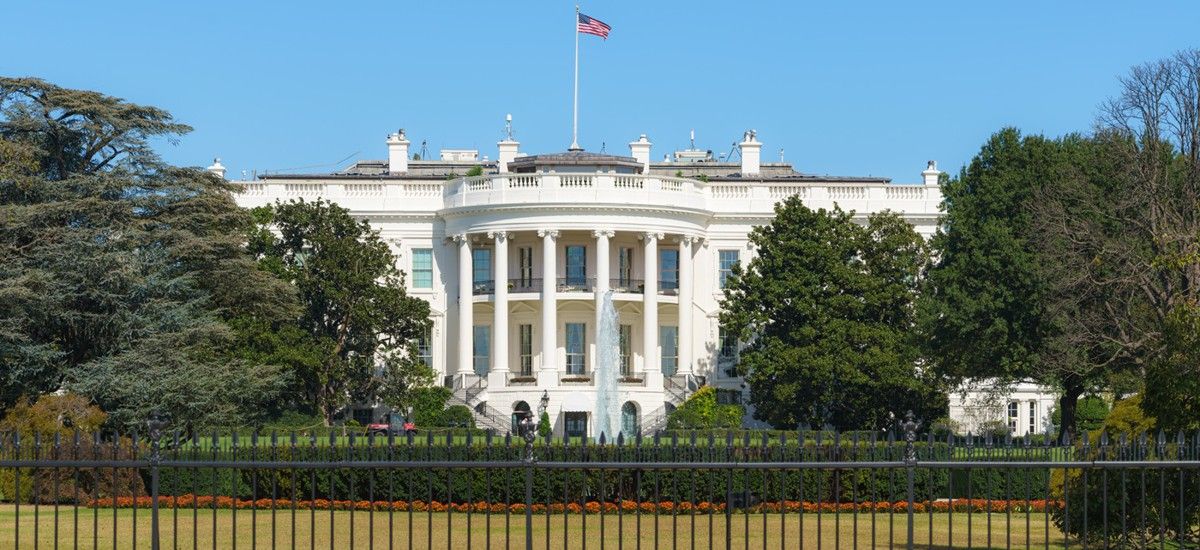
The White House released its National Policy Framework for AI on March 20, 2026, calling on Congress to preempt state AI laws that “impose undue burdens.” The framework doesn’t itself create binding law, but it reads as the administration’s legislative blueprint for a national AI regime.
The seven-priority document covers children’s privacy protections, IP rights for AI-generated voice and likeness replicas, anti-censorship mechanisms, and workforce development. On governance structure, the administration explicitly recommends against any new federal AI rulemaking body. Existing agencies with subject-matter expertise would regulate instead, paired with industry-led standards.
The preemption section is concrete. Colorado’s AI Act is set to take effect later in 2026. California’s amendments to the California Consumer Privacy Act, covering automated decision-making technologies, are also in play. The framework recommends that states won’t be permitted to regulate AI development, penalize developers for third-party unlawful conduct involving their models, or burden AI use for activities that would otherwise be lawful. If Congress adopts that language broadly, both statutes could be rendered unenforceable.
The framework does carve out state authority to enforce generally applicable laws, exercise zoning powers, and regulate their own AI use in law enforcement and public services. How broadly Congress draws the preemption line will determine whether those carve-outs protect Colorado and California’s regimes, or make them cautionary examples for every other state that’s been drafting AI legislation.
James Okafor