Interpol says its coordinated police forces arrested 5,811 people and intercepted $293 million in illicit assets during Operation First Light 2026, a four-month sweep across 97 countries that wrapped April 30. I read the Interpol release this week: 142,000 victims identified, 152,808 cases analyzed, 31,014 bank accounts blocked.
China’s Ministry of Public Security funded the operation again, with ASEANAPOL, GCCPOL and Europol running regional coordination. Targets were social-engineering rings: romance scams, business email compromise, fake investment platforms, the stuff that turns victims’ bank logins into someone else’s Lamborghini.
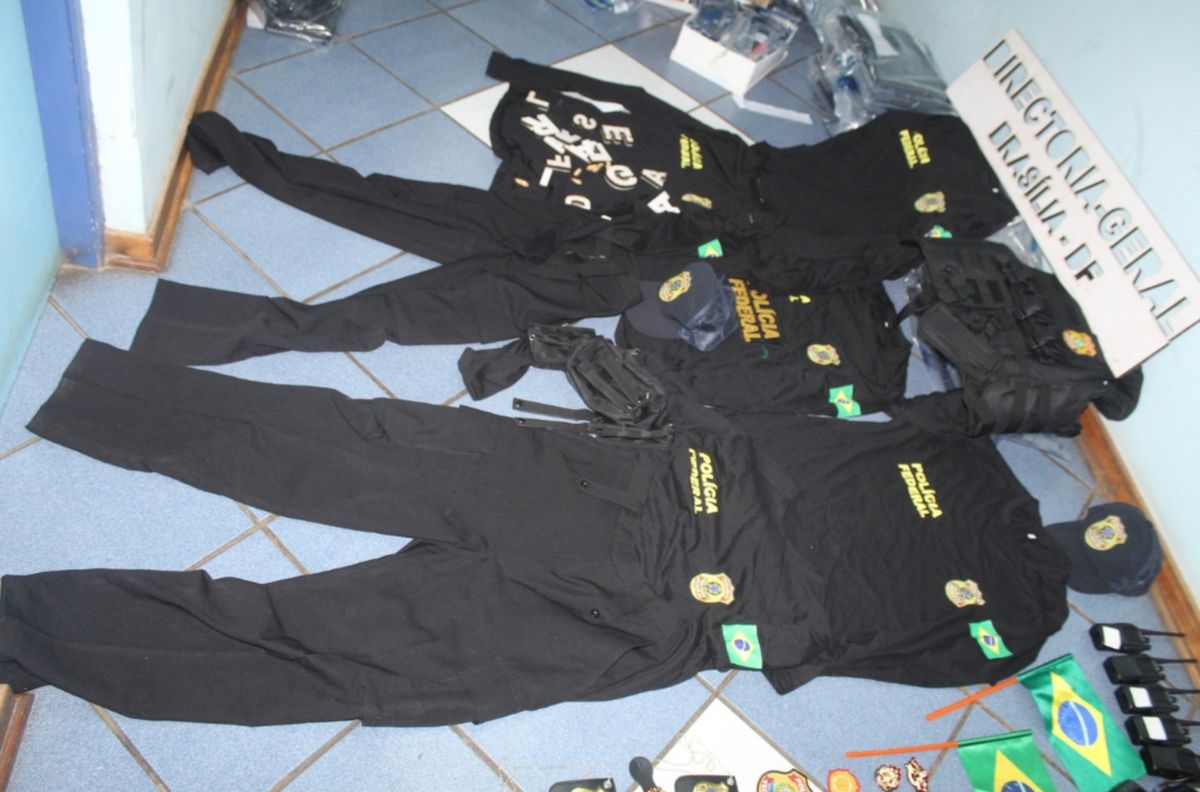
The scene details are the story. Eswatini police dismantled a scam network built around a fake Brazilian police station, complete with uniforms and signage, used to convince victims they’d been caught committing a crime and had to wire fines to make it disappear. In Thailand, investigators traced $122.5 million in romance-scam proceeds moved through crypto wallets by a single 20-year-old suspect over 10 months.
The trend line is worth reading against itself. Operation First Light 2024 seized $257 million and made 3,950 arrests across 61 countries. This year the numbers jumped to $293 million, 5,811 arrests, and 97 countries. More money and more arrests, sure, but also 36 more countries reporting into the same freeze-and-notice apparatus. Bigger seizure totals track bigger operational reach more than they prove the scam economy is shrinking.
Interpol’s Tomonobu Kaya framed it as a fight no single nation wins alone. Fair, but the number worth watching next year isn’t the arrest count. It’s whether the seizure total finally outpaces the growth in reported victims.
Worth flagging in your next fraud-risk briefing.
Rebecca Lauren