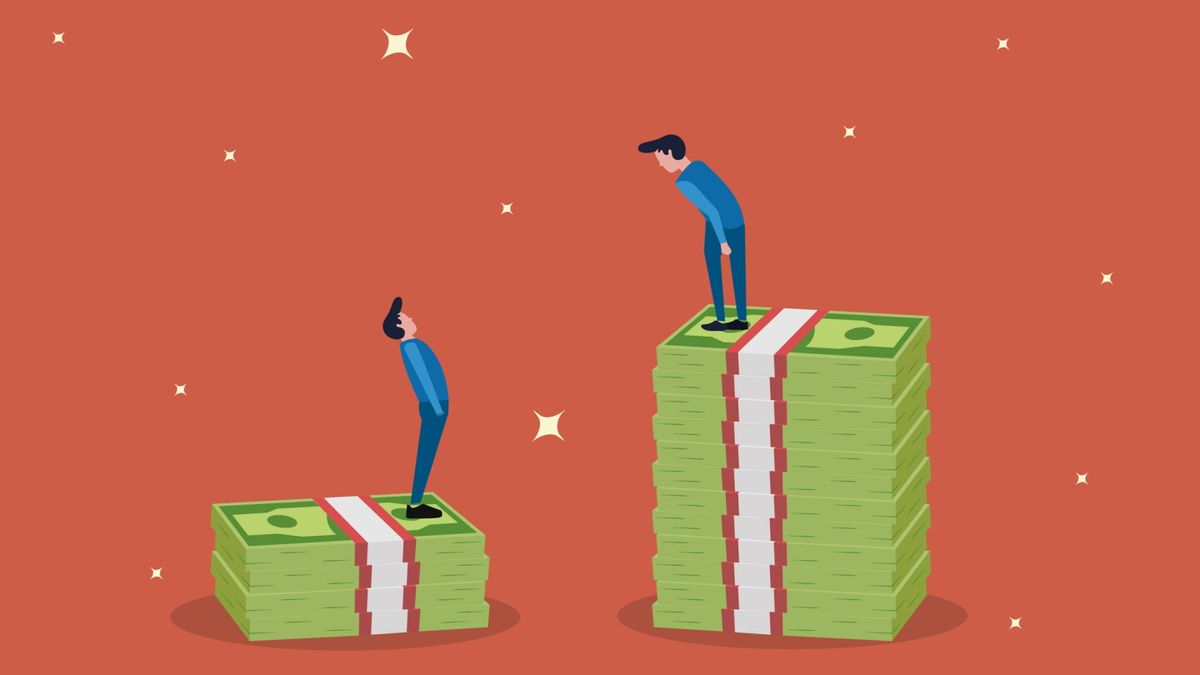
Eli Lilly spent $25.27 billion across 10 acquisitions in 2026, more than half of the $46.38 billion the top 12 pharmas by revenue deployed in M&A this year. The nearest competitor isn’t close.
That concentration makes Lilly’s small-deal preference legible. Its 30 buyouts over the past decade total $54 billion. Bristol Myers Squibb’s 11 deals over the same period total $146.7 billion, but $99.5 billion of that is one transaction: Celgene, S&P Capital IQ’s largest pharma deal in the past decade. Different strategies, different risk profiles.
The approach was sharpest last month when Lilly bought three vaccine biotechs in a single day for $3.83 billion combined: Curevo for up to $1.5B (shingles), LimmaTech for $780M (staph), and Vaccine Company for $1.55B (Epstein-Barr). What Lilly gets is a nascent infectious disease platform, with the lead asset, Curevo’s amezosvatein, still in Phase 2.
GLP-1 cash flow is what makes this possible. Obesity and diabetes revenues are funding cheap options across vaccines, neuroscience, and metabolic disease; it’s a spread-bet strategy that doesn’t require any single target to be Celgene-sized. Centessa’s OX2R agonist for sleep disorders, bought for $8.14 billion in March, fits the same frame.
GSK’s $10.6 billion bid for Nuvalent, at $124 a share and a 40% premium, took the year’s largest pharma deal title from Lilly. Sun Pharma’s $11.75 billion Organon buy leads overall 2026 healthcare M&A. Sun is in generics.
Lilly also inked 11 licensing deals in 2026, including a June 2 double-header with Haisco and Hanmi, the latter for a GLP-2 in short bowel disease. Centessa closes in Q3.
Diana Kowalski