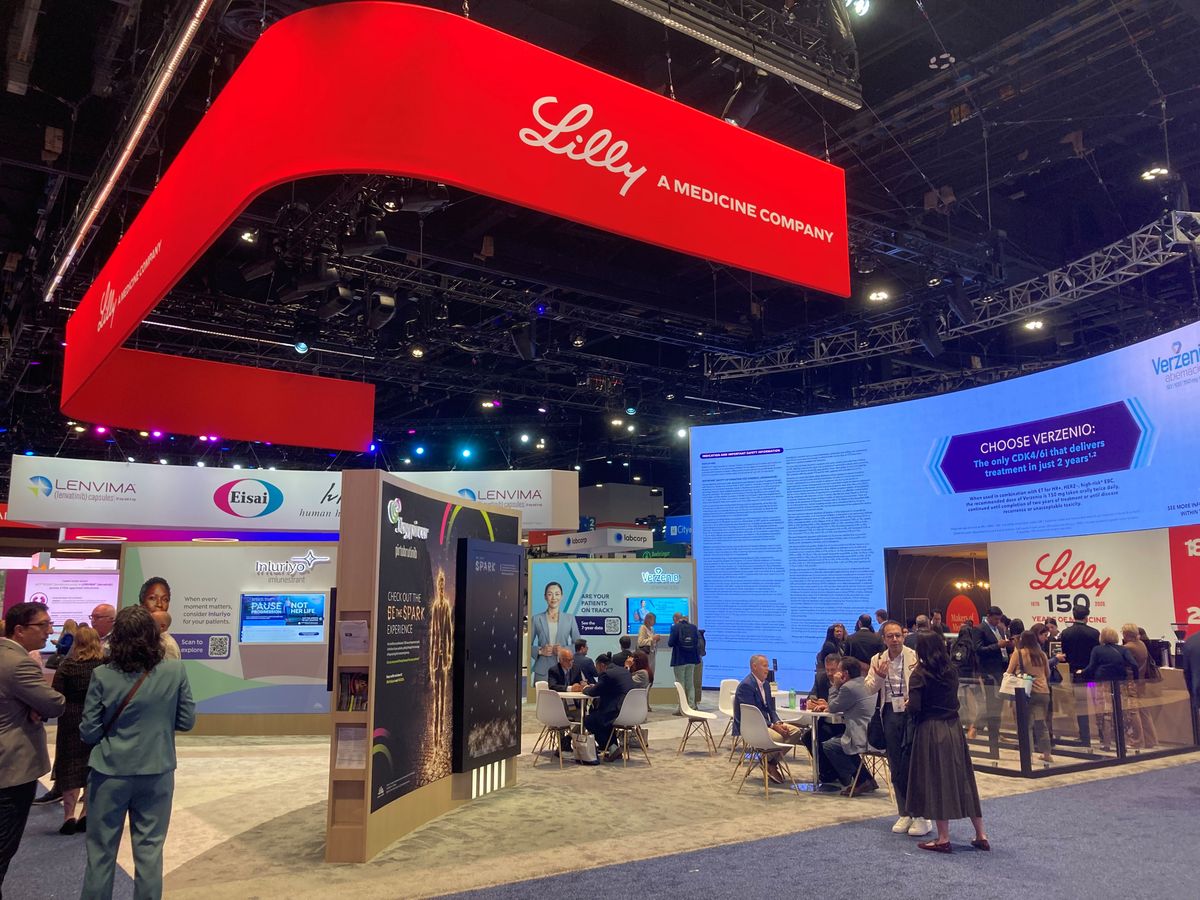
Lilly paid $3.2 billion upfront for Kelonia Therapeutics, and on Sunday the data explained the price: all 18 relapsed and refractory multiple myeloma patients treated with KLN-1010 hit MRD negativity in bone marrow at one month.
Every patient still assessable at six months stayed MRD-negative. The first patient treated is now beyond 10 months and still shows no evidence of disease. That’s in a population Lilly’s oncology and business development leader Jake Van Naarden called “the sickest of the sick.”
For context on what Lilly is building: it paid $2.4 billion for Orna Therapeutics in February, another in vivo CAR-T play using lipid nanoparticle-mRNA. The combined total deal value for in vivo CAR-T alone is north of $5.6 billion, and not one phase 3 trial has started.
So what does the buyer actually get? KLN-1010 is a Phase 1 lentiviral in vivo CAR-T targeting BCMA, the common protein on myeloma cells, and it works without preconditioning chemotherapy or the complex patient-cell manufacturing that burdens traditional ex vivo approaches. Van Naarden called that profile “nutty.” The platform is also “cassette-like,” meaning it can be repurposed: a lymphoma candidate is already in development, and solid tumors are in the mix.
Safety isn’t spotless — 16 of 18 patients had cytokine release syndrome, though all cases were grade 1 or 2, and two developed neurotoxicity. No infusion reactions.
The deal hasn’t closed. Phase 3 design conversations are already underway at ASCO.
Diana Kowalski