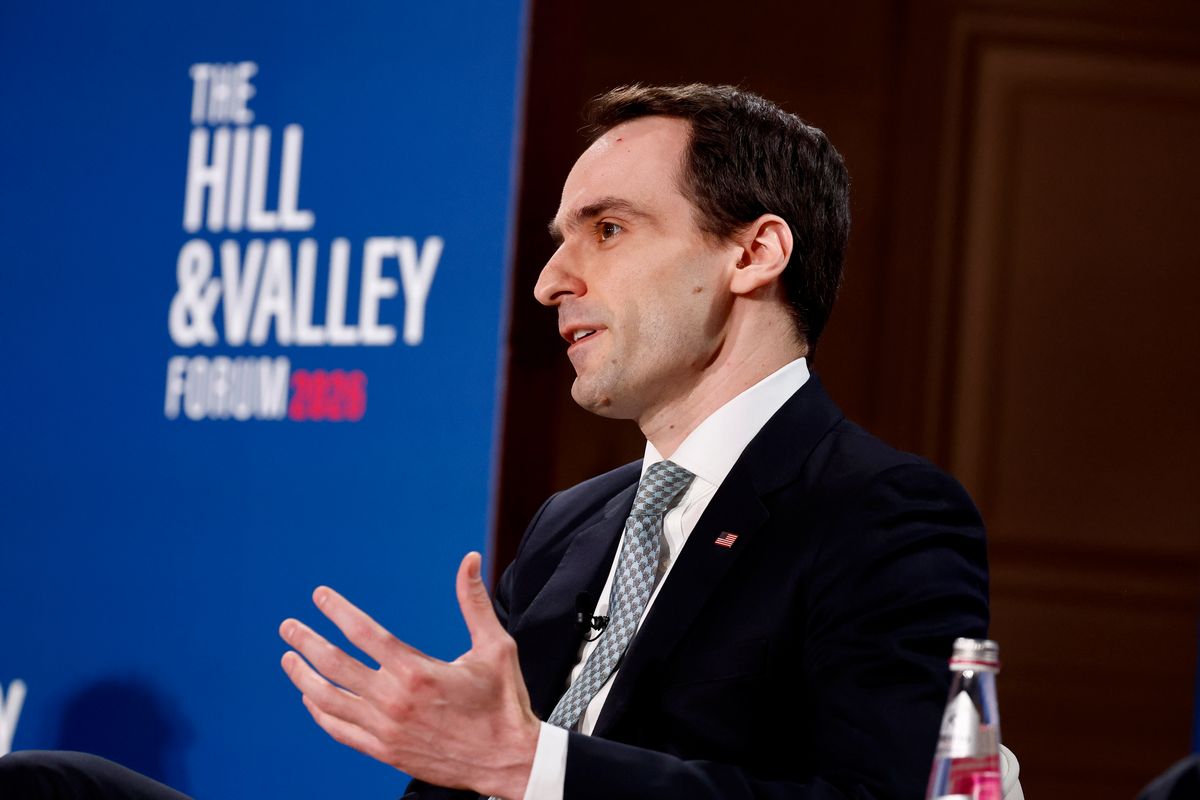
If you’re a founder fine-tuning on someone else’s model outputs, pay attention: the White House just put a number on what “unauthorized distillation” costs a Chinese AI lab in reputation, and it’s not small.
Michael Kratsios, who runs the White House Office of Science and Technology Policy, accused Beijing-based Moonshot AI of building its new Kimi K3 model by covertly distilling Anthropic’s Fable. On X, Kratsios said Moonshot “developed a sophisticated internal platform to conduct large scale distillation against U.S. models, allowing them to quickly switch between multiple methods of access to avoid detection.” He also flagged Moonshot’s use of Nvidia GB300 servers, acquired directly or routed through Thailand.
This isn’t a first offense. Anthropic’s own February report on distillation attacks already named Moonshot for running 3.4 million unauthorized exchanges with Claude using hundreds of fraudulent accounts. Moonshot’s own Kimi K3 blog post admits the model still trails Fable 5 and GPT 5.6 Sol, but claims frontier-level scores elsewhere.
Here’s the part that should worry you if you’re building on open-weight models: due diligence now means asking your vendor how their training data was sourced, not just what it costs per token. Two Chinese labs, Alibaba and Moonshot, have been named by name this year. If your product roadmap includes swapping in a cheaper open-weight model for margin, check its provenance before your board does.
Full Kimi K3 weights are due by July 27.
— Nathan Zakhary