California’s new AI workforce executive order just put severance reform and worker equity on the compliance checklist for every company in the state.
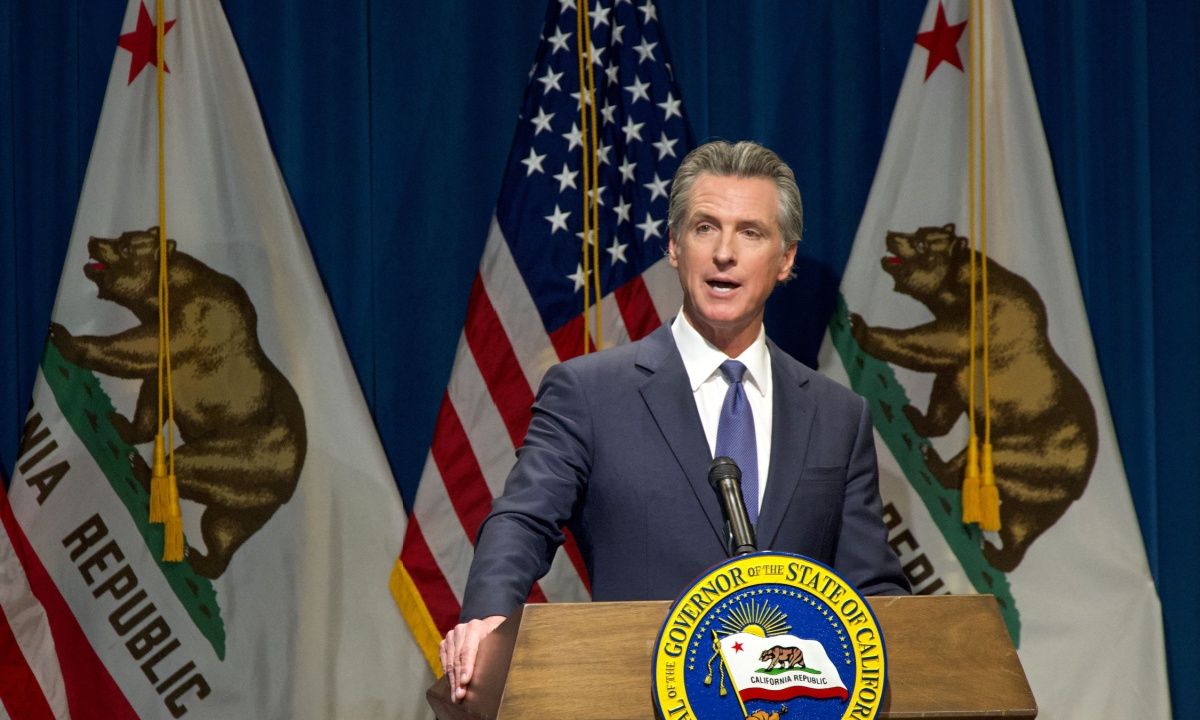
Gov. Gavin Newsom signed the first-in-the-nation directive on May 21, directing state agencies to track early warning signs of workforce displacement and formulate policies ensuring workers share in the financial gains generated by AI-driven productivity. California hosts 33 of the world’s top 50 private AI companies, which means this order lands squarely in your backyard if you’re running an AI product or employing technical workers in the state.
The order goes beyond a standard training mandate. Agencies must evaluate worker ownership models, universal basic capital concepts, updated severance standards, and expanded employment insurance, and must create a public-facing dashboard showing AI’s sector-by-sector labor impact. A formal report on potential labor disruptions is also required.
The timing tells the real story. The White House had been preparing its own AI executive order, focused on national security vetting of advanced models before public release, but the signing ceremony was cancelled that same day — reportedly over concerns it would burden AI developers and dull the country’s technological edge. California didn’t wait. State-level compliance frameworks are now moving faster than federal ones, and California’s rules tend to become the national baseline. CCPA made that clear in 2020.
If you’re a founder raising capital in 2026 and you employ California workers, your investors’ legal counsel will start asking for an AI workforce disruption plan the same way they started asking for SOC 2 readiness after major data incidents. Draft the policy now.
Nathan Zakhary