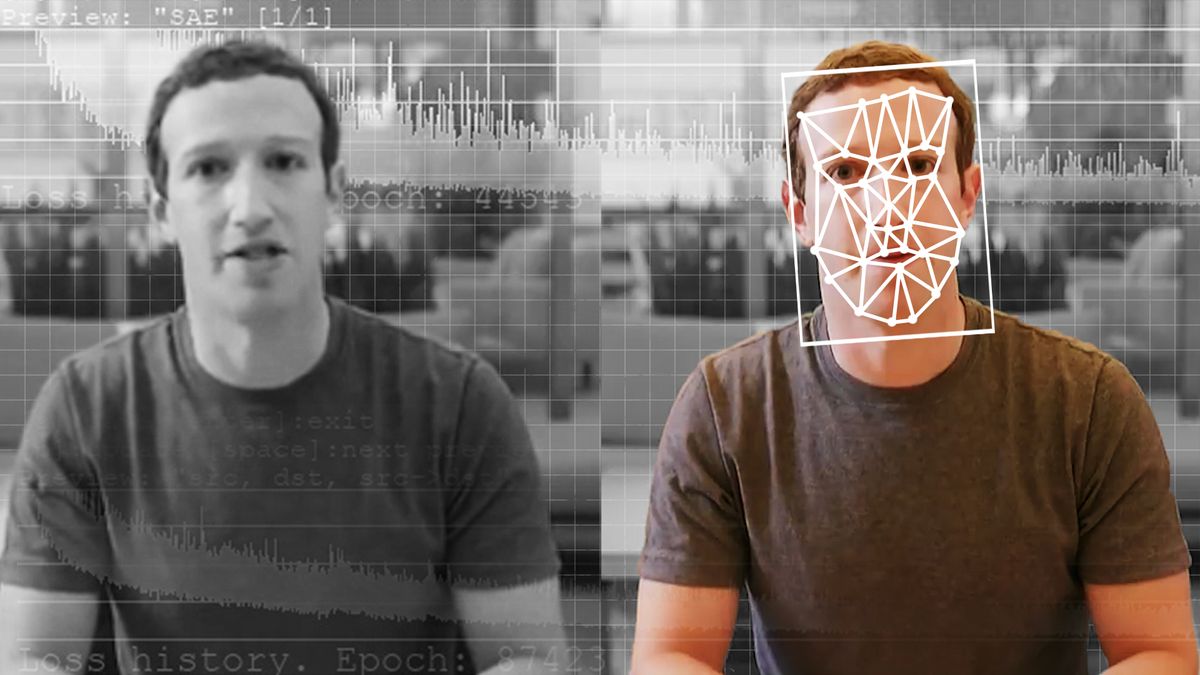
The Senate Judiciary Committee cleared the NO FAKES Act by voice vote, creating a $750,000-per-violation federal right over AI-generated likenesses of real people. If it becomes law, every American gets near-exclusive control over their own digital replica, with rights that pass to heirs for at least 70 years after death.
Introduced by Sens. Chris Coons (D-Del.) and Marsha Blackburn (R-Tenn.), the bill lets adults license their likeness in 10-year contracts, minors in 5-year deals. More than 40 groups back it, including SAG-AFTRA, the American Medical Association, and Creative Artists Agency. The harms it targets are real: unauthorized deepfake pornography, AI-celebrity endorsement scams, and political disinformation videos putting words in candidates’ mouths.
The opposition is credentialed. The ACLU, EFF, CDT, and R-Street Foundation wrote the committee warning the bill creates a “Heckler’s veto” over online content, pushing platforms to over-remove anything a rights-holder flags regardless of legality. Their clearest example: an AI-generated image of Pope Francis in a Balenciaga jacket that went viral in 2023 would be illegal to post until nearly 2100 under this bill.
This is the bill where the DMCA playbook gets cloned into likeness rights. Platforms already know what that looks like: notice-and-takedown systems that incentivize removal over review, because the fine for getting it wrong runs to six figures. For any operator running user-generated content with AI features, the question isn’t if your legal exposure changes — it’s by how much.
Sen. Coons argued parody, satire, and documentaries are explicitly protected, and that counter-notification processes are built in. NetChoice VP Amy Bos called that system “unworkable” in practice. Full Senate still has to weigh in.
Nathan Zakhary