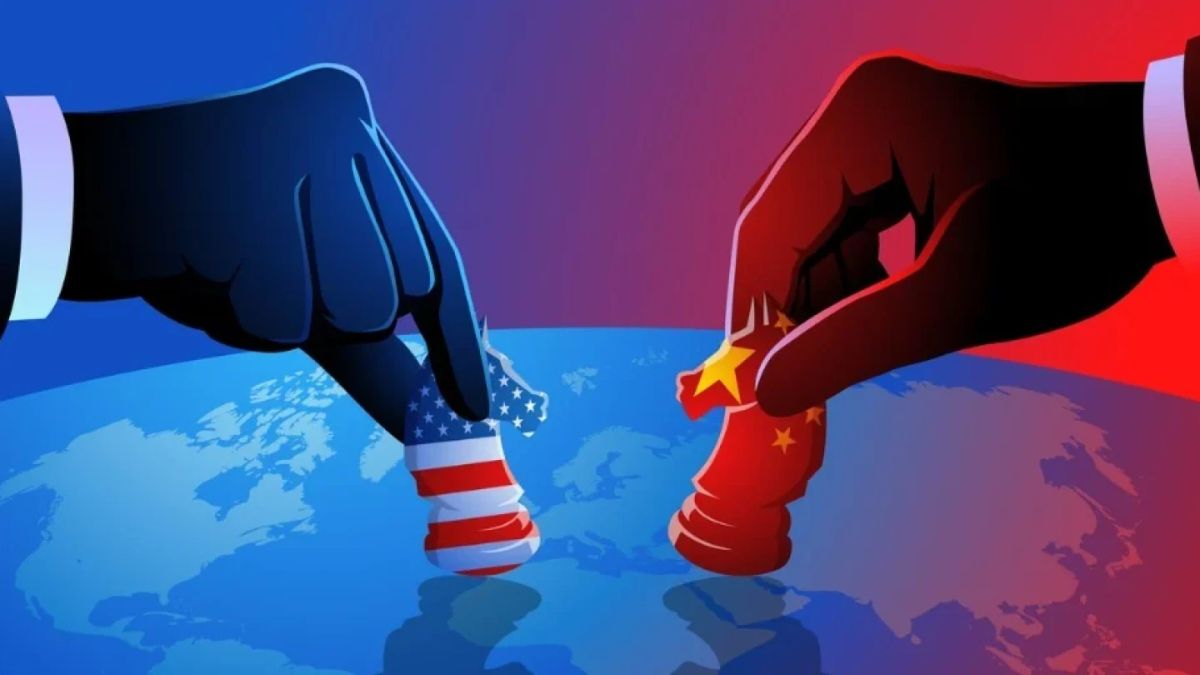
Rep. John Moolenaar’s Monday letters to Eli Lilly, Pfizer, Merck, Bristol Myers Squibb and AbbVie set a July 17 deadline: turn over due-diligence records on clinical trials run at Chinese military hospitals and in Xinjiang, or explain why not.
That’s the national-security yardstick. Industry’s yardstick is economic: China trials are cheaper, faster, and easier to enroll, which is exactly why Big Pharma leans on them. Neither side disputes that hundreds of active US-sponsored trials sit inside PRC borders. They just don’t agree why. BIO’s John Crowley put it bluntly at the group’s June convention: he worries about “unintended consequences” of bans that distract from the real question of how the US out-competes.
Congress already has one lever pulled. The BIOSECURE Act bars federal contractors from using “companies of concern,” unnamed in the final text after an earlier draft singled out WuXi AppTec. Moolenaar’s letters push further, asking sponsors to document the site-level due diligence the statute never actually defined.
FDA is pulling the opposite direction. Its Expedited IND pilot program, announced June 22, is built to shorten the runway to first-in-human trials on US soil. Same goal as Moolenaar’s committee, opposite tool: incentive versus subpoena.
Worth mapping your own trial-site list against Xinjiang and PRC military hospitals before July 17 lands.
— Rebecca Lauren