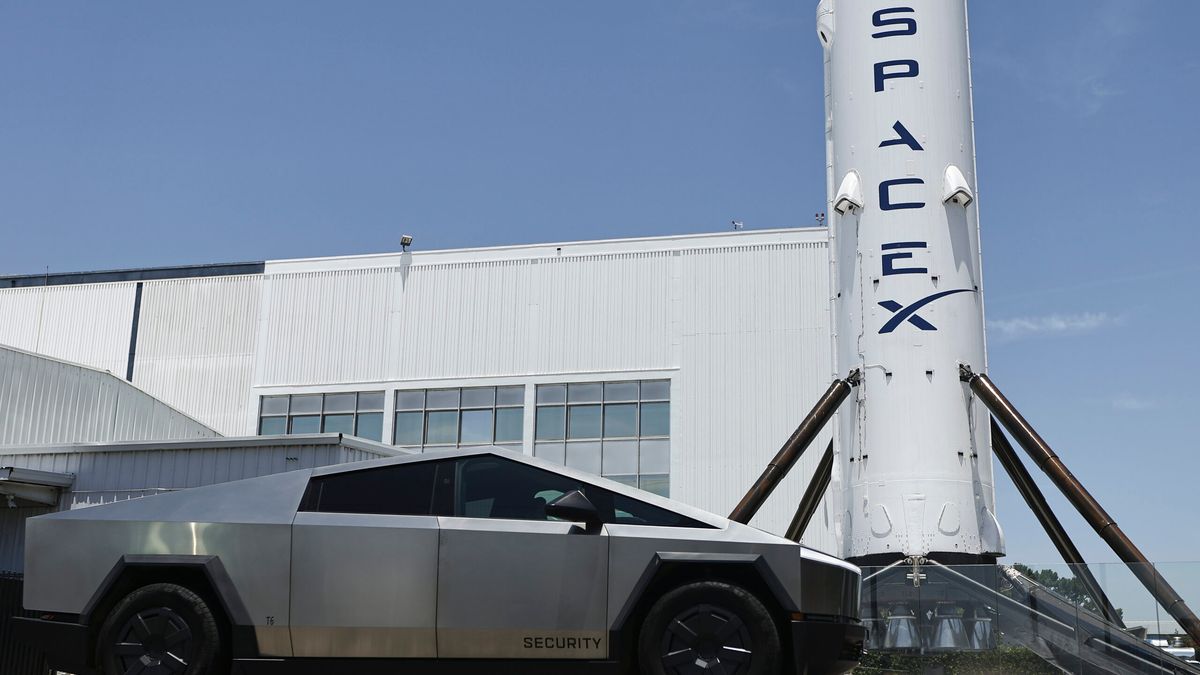
S&P Dow Jones Indices said no to SpaceX last week, locking $14 billion in forced passive buying out of reach.
The index committee ruled that “no changes will be made to the eligibility criteria including financial viability screens, seasoning period, or minimum IWF.” SpaceX is unprofitable, carrying $29 billion in debt from AI infrastructure spending, and planned to offer only about 3% of IPO shares to public investors, well below the minimum float threshold the index requires.
Bloomberg Intelligence estimated $14 billion in passive fund buying SpaceX would have captured from fast-track inclusion. OpenAI and Anthropic face similar math: more than $8 billion and $4.6 billion delayed, respectively. The $7.5 trillion in funds tracking the S&P 500 doesn’t buy what the index doesn’t include.
The ruling blocks more than SpaceX. OpenAI and Anthropic, both currently unprofitable, can’t qualify until at least one year post-IPO, and even then must demonstrate consistent profitability, a bar neither company currently clears.
What passive investors would actually be buying is a company whose core assets, Starlink and rocket launches, Morningstar values at $780 billion — less than half the $1.75 trillion IPO ask. Nasdaq cut its waiting period to 15 trading days; FTSE Russell went to five. S&P held. That creates a two-tier market: mega-cap IPOs fast-tracked into smaller indexes, locked out of the index controlling most passive money.
Morningstar called SpaceX “significantly overvalued” before the IPO priced. S&P’s caution looks like the reasonable call.
Diana Kowalski