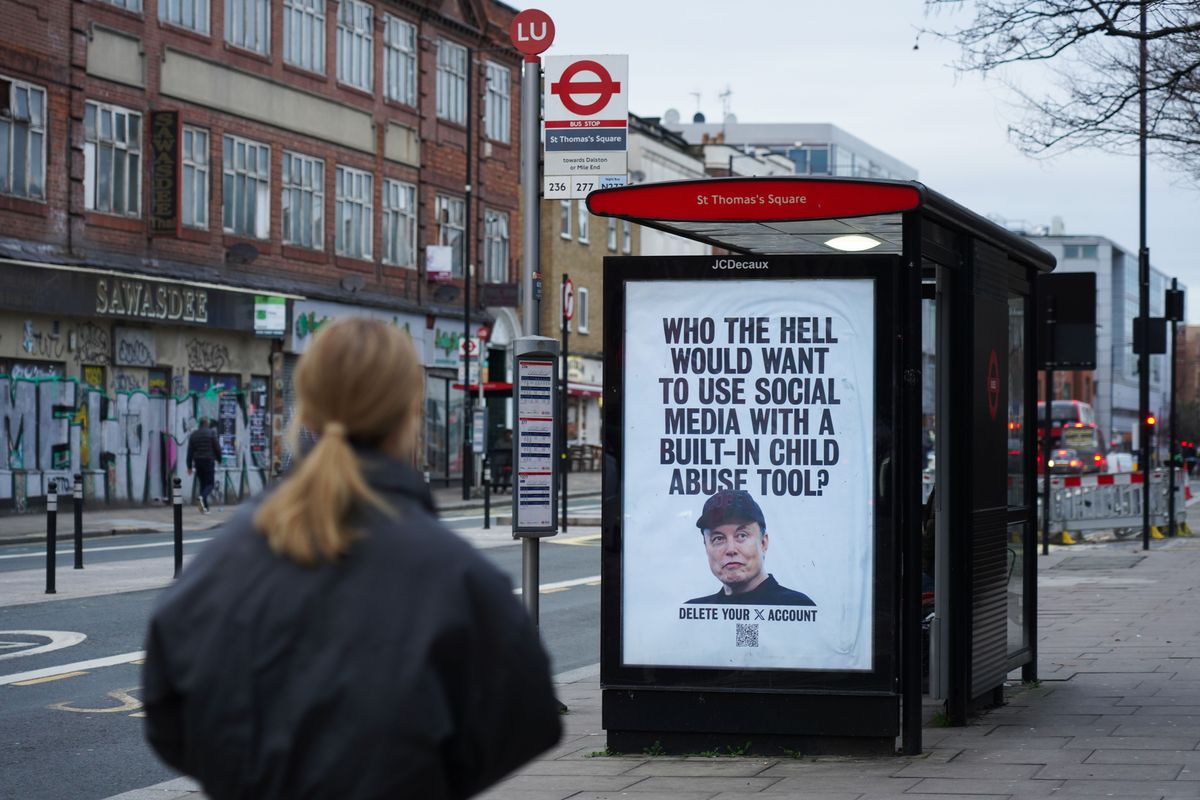
Two more girls just joined the class action against xAI, and Stability AI is now sitting next to Elon Musk’s company as a co-defendant.
The amended complaint adds Jane Does 4 and 5 to a suit that’s been running since March. Jane Doe 4’s stepfather uploaded a photo of her at 11 years old and used Grok to generate more than 7,000 CSAM images, trading them online before he was arrested and, two days later, took his own life. Jane Doe 5’s classmate’s relative turned her eighth-grade graduation photo into CSAM that’s still circulating online. The suit claims xAI picked Grok because it “was less restrictive than other AI models,” and that the company sat on IP data that could’ve identified the stepfather sooner, even after it filed a tip with NCMEC’s CyberTipline.
Stability AI’s addition is the real signal. The complaint alleges Stable Diffusion 1.0 shipped open-weight despite training data that Stanford Internet Observatory found laced with actual CSAM, and that Stability rolled back Stable Diffusion 2.0’s guardrails after users complained the restrictions were “prude.”
That’s the pattern operators shipping on open-weight models need to internalize: a safety rollback made to keep users happy is now sitting in a 2026 CSAM complaint as evidence of what Stability knew and did anyway. If your product sits on top of someone else’s weights, vendor diligence has to ask what got stripped out of the guardrails and why, not just what’s in the model card.
Neither company responded to a comment request. Masha’s Law, the federal statute that lets CSAM victims sue for damages, doesn’t invite quiet settlements.
— Nathan Zakhary