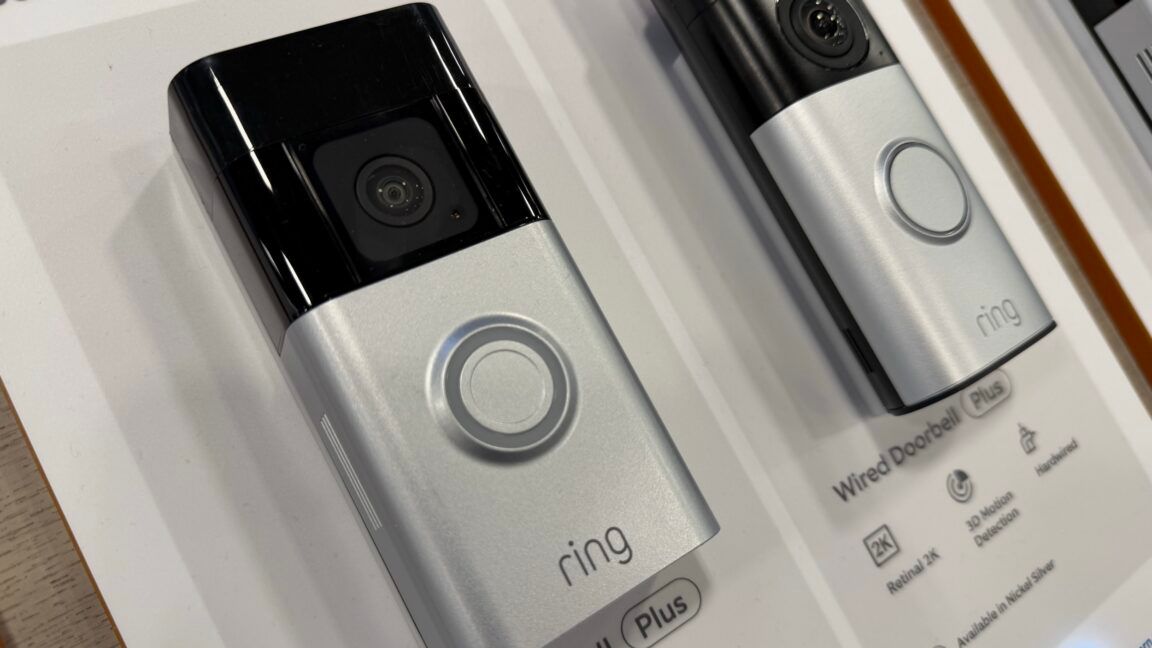
A Virginia resident filed a class action lawsuit against Amazon this week over Ring’s “Familiar Faces” feature scanning faces without consent at friends’ and family members’ homes.
Ring lets device owners opt into facial recognition that captures and stores biometric data on everyone in camera range: postal workers, delivery drivers, political canvassers, children selling cookies. Bystanders get no opt-in, no notification, and no easy deletion path. If they want their face removed, Senator Markey’s February 2026 probe found they must contact each individual Ring device owner separately.
Amazon’s own delivery drivers face a particularly grim version of this. They knock on hundreds of doors a week. Each Ring camera opted into Familiar Faces adds another entry to a biometric database they didn’t authorize, can’t audit, and can barely reach to correct.
This isn’t Ring’s first privacy fight with regulators. In 2023, the FTC charged Ring with letting thousands of employees and contractors watch customers’ private videos; Amazon settled for $5.8 million. That case was about internal surveillance. This one is about external collection — and the EFF argues Amazon itself carries consent obligations as the entity processing biometric data, regardless of what device owners do. Google paid $1.375 billion and Meta paid $1.4 billion settling similar face-scan claims in Texas.
Amazon’s already disabled Familiar Faces in Illinois, Texas, and Portland. Plaintiffs want the same standard applied everywhere.
Nathan Zakhary