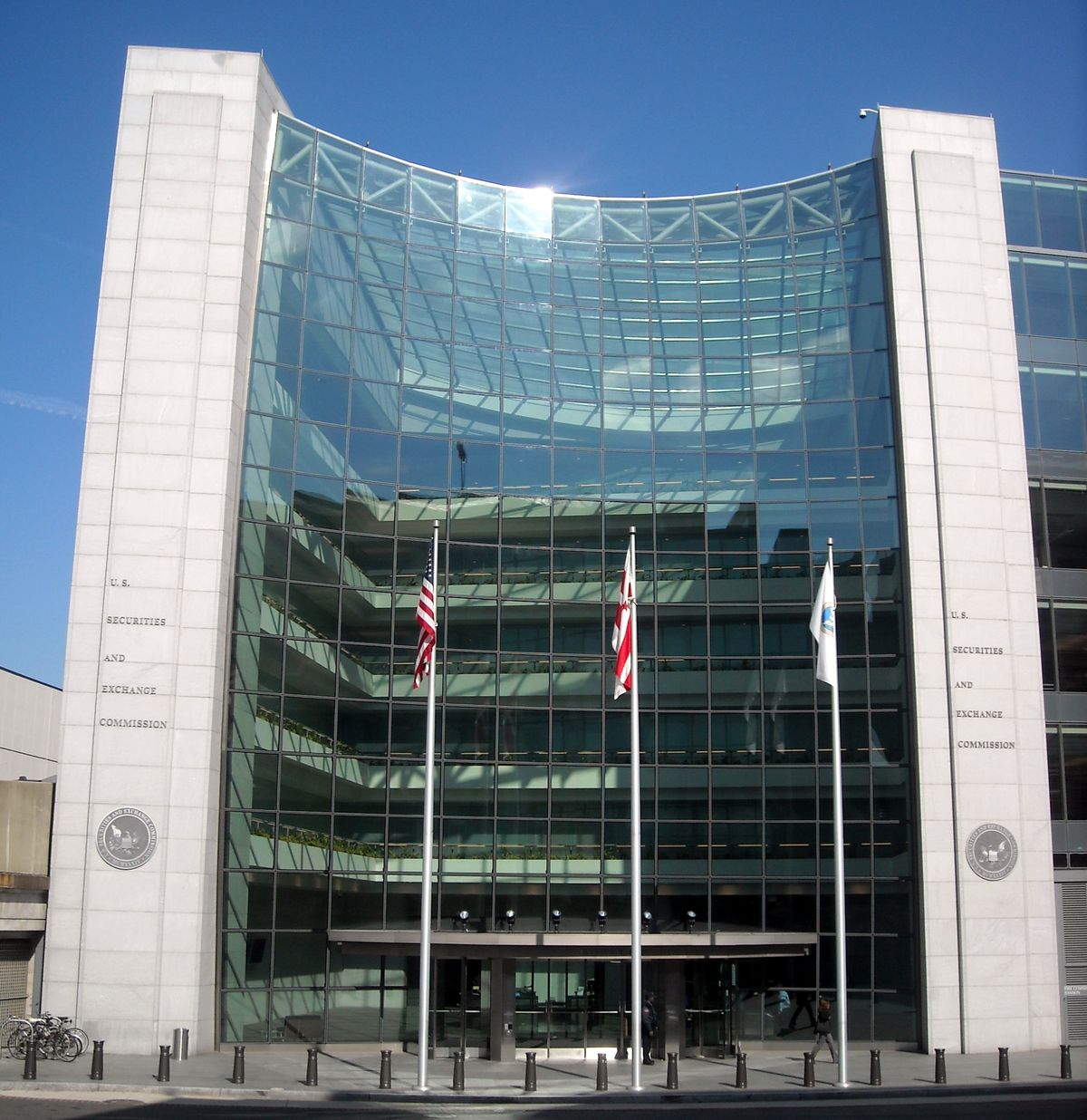
The SEC 2026 Examination Priorities put AI on the exam list for registered investment advisers, broker-dealers, and other registrants. Fraud detection, back-office, AML, trading, portfolio management, customer service: everywhere a registrant has plugged in a model, the Division of Examinations now has a question waiting.
The question, in plain English: can your compliance team explain how the AI reached a specific decision?
When the tool flags a trader’s chat as high-risk or scores a transaction for SAR review, examiners want the logic. Not a confidence score. The reasoning chain, the inputs, the version of the model that produced it. If the system can’t produce that trail, the firm is the one carrying the regulatory risk, not the vendor.
That’s a problem for the foundation-model wave that hit compliance in 2024 and 2025. Most LLM-based monitoring stacks generate a verdict and a paragraph. They don’t generate a deterministic audit record. Rip-and-replace is now on the table for any firm whose surveillance vendor pitched “AI-powered” without showing the logs.
The signal lines up across jurisdictions. The FCA’s outcomes-based AI-in-AML stance puts the audit trail on the MLRO. FinCEN’s April NPRM rewards AI but assumes the firm can show effectiveness. The transatlantic posture is the same: tech-neutral on the model, strict on the paperwork.
It also feeds the SEC’s running AI-washing enforcement theme. Nate’s $42M case covered fraud on the way in. The 2026 priorities cover what happens after the tool is live and a flag is questioned.
Agentic compliance tools were the next pitch on the roadmap. The exam priorities just put a documentation requirement on every step they take.
— Nathan Zakhary