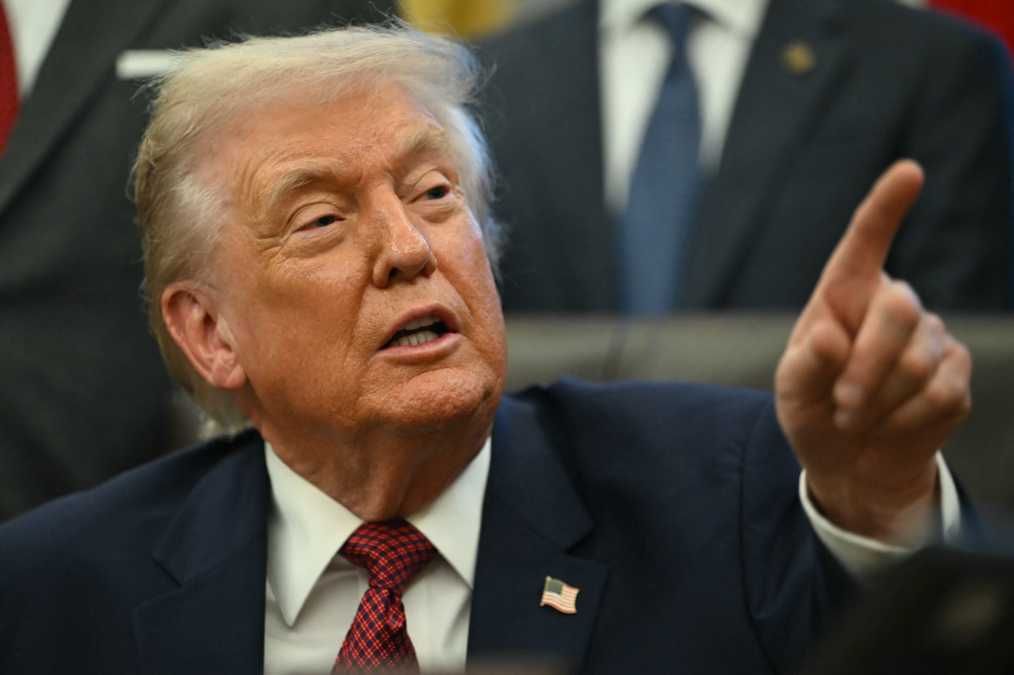
The White House signed a revised AI executive order Tuesday that cuts pre-release testing access from 90 days to “up to” 30 days and explicitly bars any mandatory licensing or permitting regime for frontier models.
Earlier drafts were shelved weeks ago after tech investor and AI czar David Sacks lobbied against language the industry called a regulatory burden. The final version keeps the voluntary structure but hands AI companies direct say over which models fall under the testing program at all.
Per the White House fact sheet, Treasury leads a new interagency cybersecurity clearinghouse where private-sector firms, critical infrastructure operators, and federal agencies can voluntarily coordinate on vulnerability scanning and patching. Treasury, CISA, NSA, and the Office of the National Cyber Director are tasked with developing classified benchmarks to identify advanced cyber and hacking capabilities in frontier models.
The question for your product roadmap: “voluntary” isn’t the same as consequence-free. If NSA and Treasury build classified benchmarks while you’re outside the 30-day window, you don’t help define what “dangerous capability” means. The order runs less than 1,200 words and AEI fellow Ryan Fedasiuk noted “many questions remain” on frontier access and critical-infrastructure sharing. That vagueness is a risk factor for anyone building at the frontier.
Senator Warner called it a rehash of Biden-era executive orders and years of bipartisan AI legislation and warned he’ll watch for signs the testing regime gets used to pressure firms on product decisions. CDT’s Samir Jain said the voluntary structure avoids the worst implications of a mandatory licensing regime, but warned it shouldn’t become a tool for political pressure. Voluntary today, precedent tomorrow.
— Nathan Zakhary